 EN
EN
 AR
AR
 BG
BG
 HR
HR
 CS
CS
 DA
DA
 NL
NL
 FI
FI
 FR
FR
 DE
DE
 EL
EL
 HI
HI
 IT
IT
 JA
JA
 KO
KO
 NO
NO
 PL
PL
 PT
PT
 RO
RO
 RU
RU
 ES
ES
 SV
SV
 TL
TL
 IW
IW
 ID
ID
 LT
LT
 SR
SR
 SL
SL
 SQ
SQ
 HU
HU
 TH
TH
 TR
TR
 FA
FA
 AF
AF
 MS
MS
 HY
HY
 AZ
AZ
 BN
BN
 SO
SO
 KK
KK
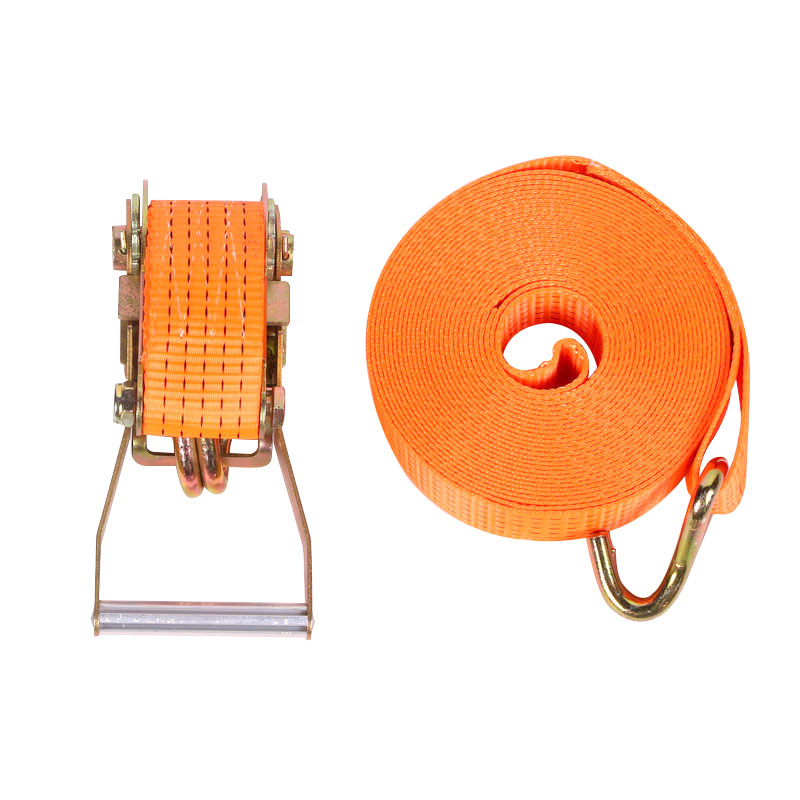
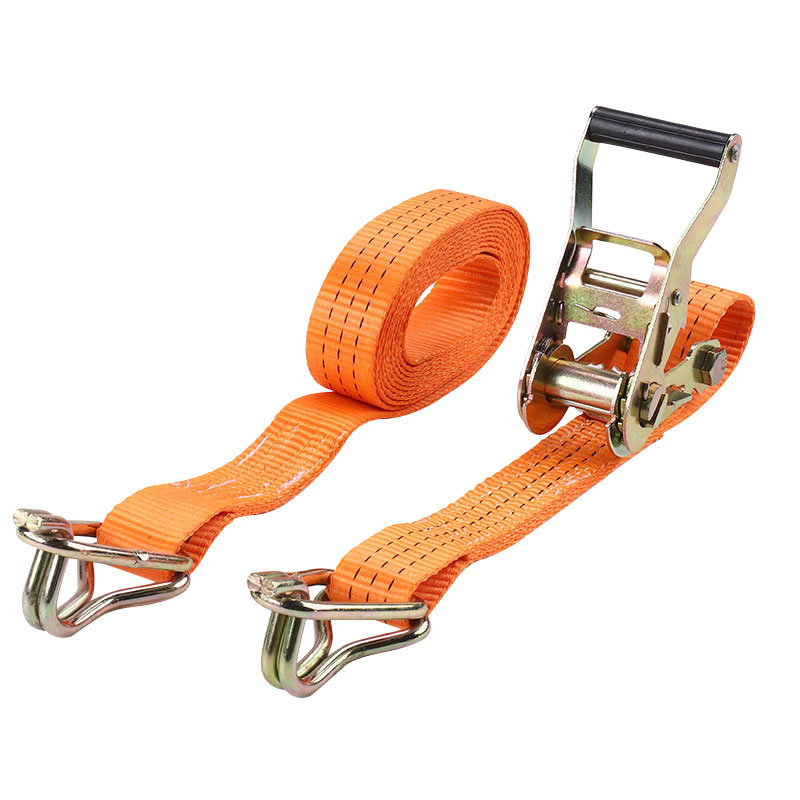
Ratchet straps and tie downs are essential tools for securing cargo and ensuring safe transport in various industries, including construction, marine engineering, and transportation. As a purchasing manager or distributor, understanding the nuances of these products can help you avoid common pitfalls and make informed decisions. This article will address common problems associated with tie downs, explore material advantages, discuss cost factors in wholesale purchasing, and provide essential technical knowledge for sourcing ratchet straps and tie downs. For a comprehensive understanding of lifting equipment, you might also explore our Hoisting & Lifting Equipment section.
Understanding Material Advantages of Ratchet Straps and Tie Downs
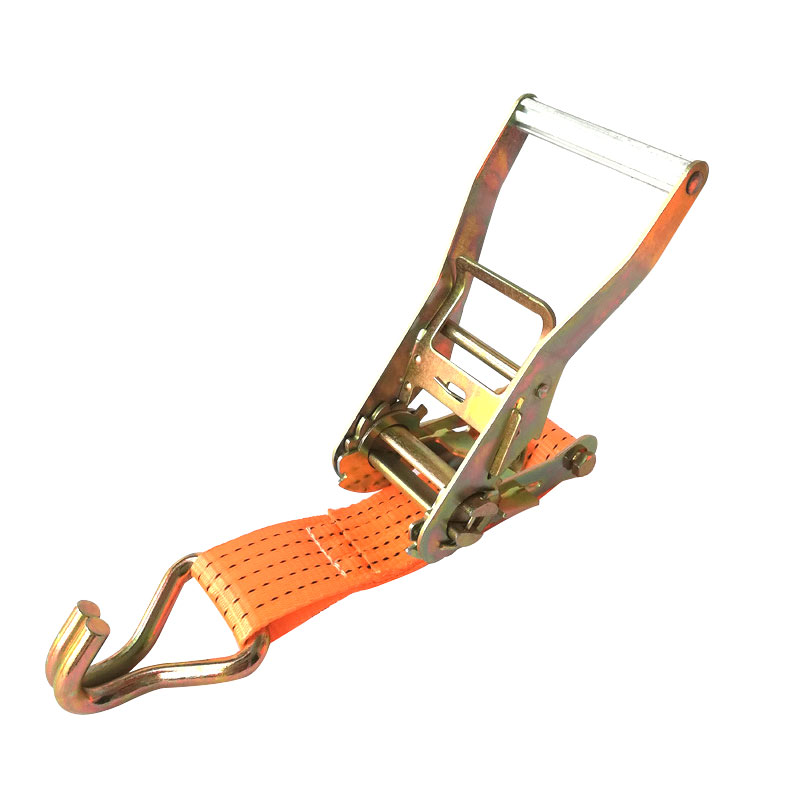
The material composition of ratchet straps and tie downs significantly impacts their performance and durability. Polyester is the most common material used for these products due to its high tensile strength, low stretch characteristics, and resistance to UV light and moisture. This makes polyester ratchet straps ideal for outdoor and marine applications where exposure to the elements is a factor.
In contrast, nylon straps, while generally more elastic and forgiving, may not provide the same level of stability and can stretch under heavy loads. For applications requiring minimal stretch and maximum load stability, polyester is typically the preferred choice.
Additionally, the webbing width and thickness play crucial roles in determining the strap's overall strength. Thicker webbing offers higher load capacities but can be heavier and bulkier. Therefore, selecting the right dimensions based on the specific application and load requirements is essential for optimal performance.