 EN
EN
 AR
AR
 BG
BG
 HR
HR
 CS
CS
 DA
DA
 NL
NL
 FI
FI
 FR
FR
 DE
DE
 EL
EL
 HI
HI
 IT
IT
 JA
JA
 KO
KO
 NO
NO
 PL
PL
 PT
PT
 RO
RO
 RU
RU
 ES
ES
 SV
SV
 TL
TL
 IW
IW
 ID
ID
 LT
LT
 SR
SR
 SL
SL
 SQ
SQ
 HU
HU
 TH
TH
 TR
TR
 FA
FA
 AF
AF
 MS
MS
 HY
HY
 AZ
AZ
 BN
BN
 SO
SO
 KK
KK
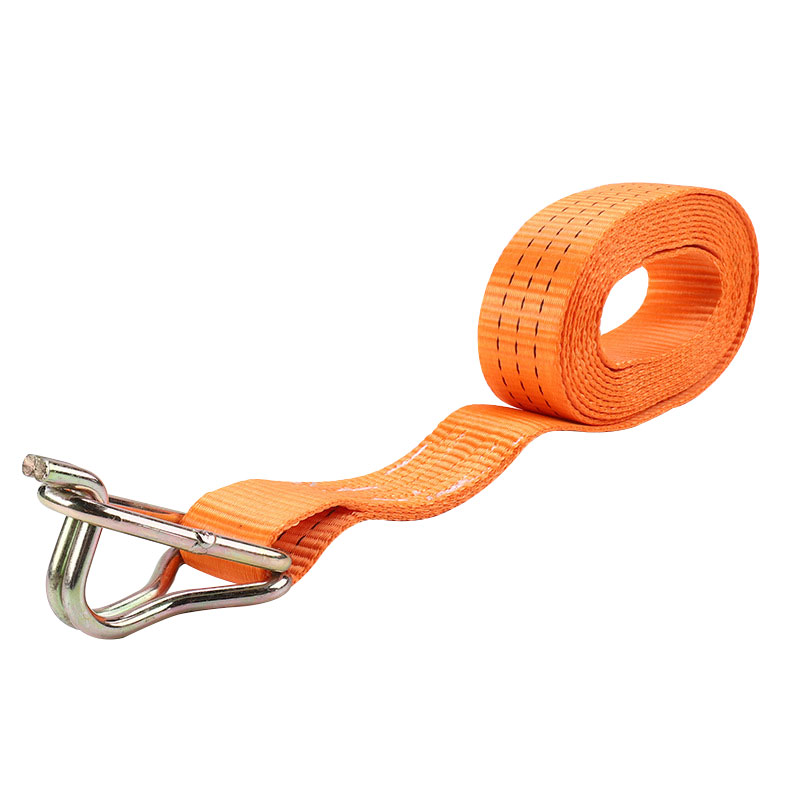
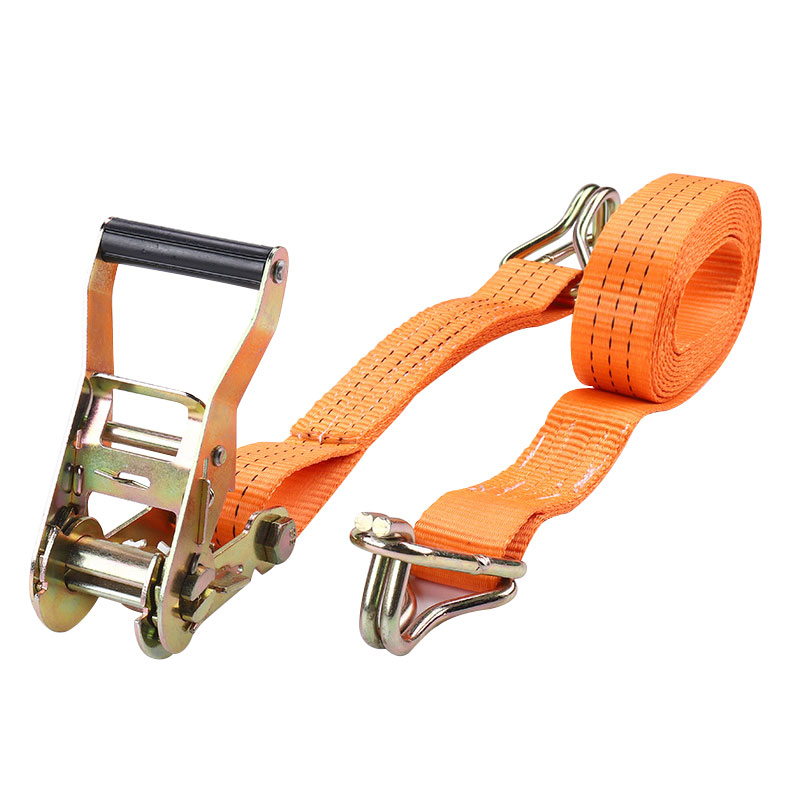
Ratchet strap ties are essential tools for securing loads during transportation, lifting, and storage in various industries, including construction and marine engineering. As a purchasing manager or distributor, your main concerns may include product quality, installation ease, and suitability for specific applications. This article will delve into essential aspects of ratchet strap ties, offering insights to guide you through the selection process, common installation challenges, and more.
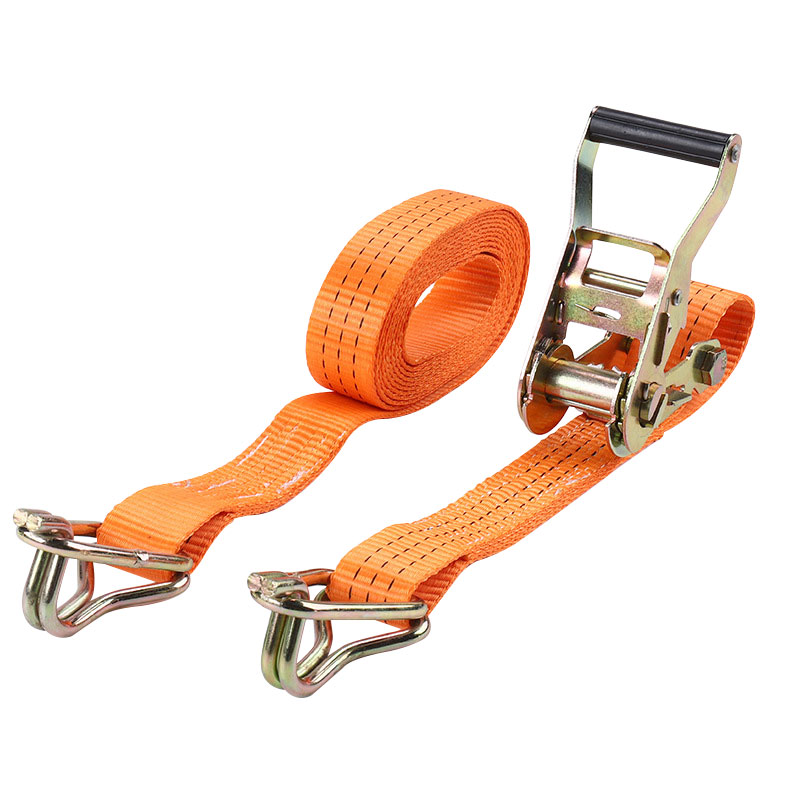
Common Installation Problems with Ratchet Strap Ties and Solutions
While ratchet strap ties are relatively straightforward to install, several common problems can arise:
Incorrect Tensioning: Over-tightening or under-tightening can lead to load instability. Ensure that the strap is taut but not excessively tight, which could damage the strap or the load itself.
Misalignment: If the ratchet and strap are not aligned correctly, it can cause uneven load distribution. Always position the ratchet mechanism at the end of the strap for optimal performance.
Wear and Tear: Regular inspection for wear and tear is essential. Look for fraying, cuts, or any signs of damage before each use. If deterioration is evident, replace the strap immediately.
Weather Conditions: Environmental factors can affect the performance of ratchet strap ties. For outdoor applications, consider using straps made from materials that are resistant to UV rays and moisture. You may also want to explore our Lifting Webbing Slings & Tie Downs for enhanced load security in various weather conditions.
Implementing these solutions can enhance the reliability and safety of your load securing process.