 EN
EN
 AR
AR
 BG
BG
 HR
HR
 CS
CS
 DA
DA
 NL
NL
 FI
FI
 FR
FR
 DE
DE
 EL
EL
 HI
HI
 IT
IT
 JA
JA
 KO
KO
 NO
NO
 PL
PL
 PT
PT
 RO
RO
 RU
RU
 ES
ES
 SV
SV
 TL
TL
 IW
IW
 ID
ID
 LT
LT
 SR
SR
 SL
SL
 SQ
SQ
 HU
HU
 TH
TH
 TR
TR
 FA
FA
 AF
AF
 MS
MS
 HY
HY
 AZ
AZ
 BN
BN
 SO
SO
 KK
KK
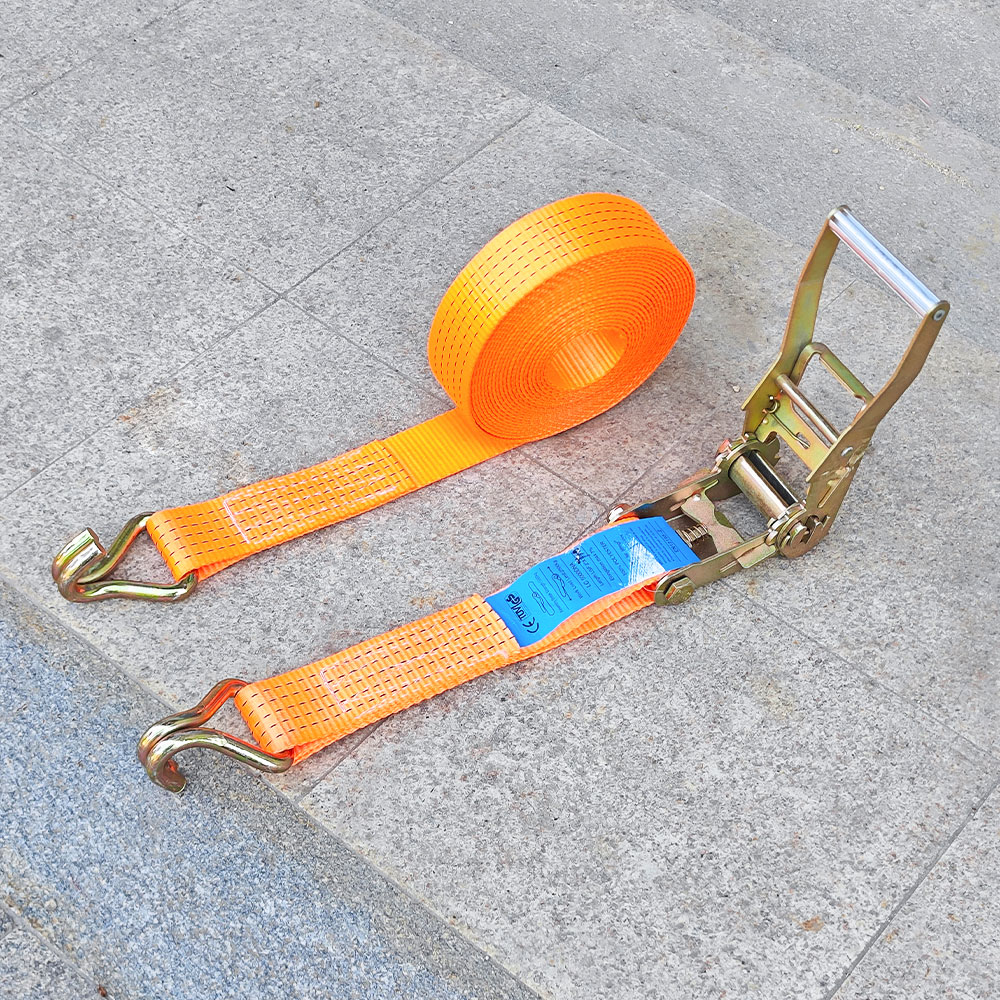
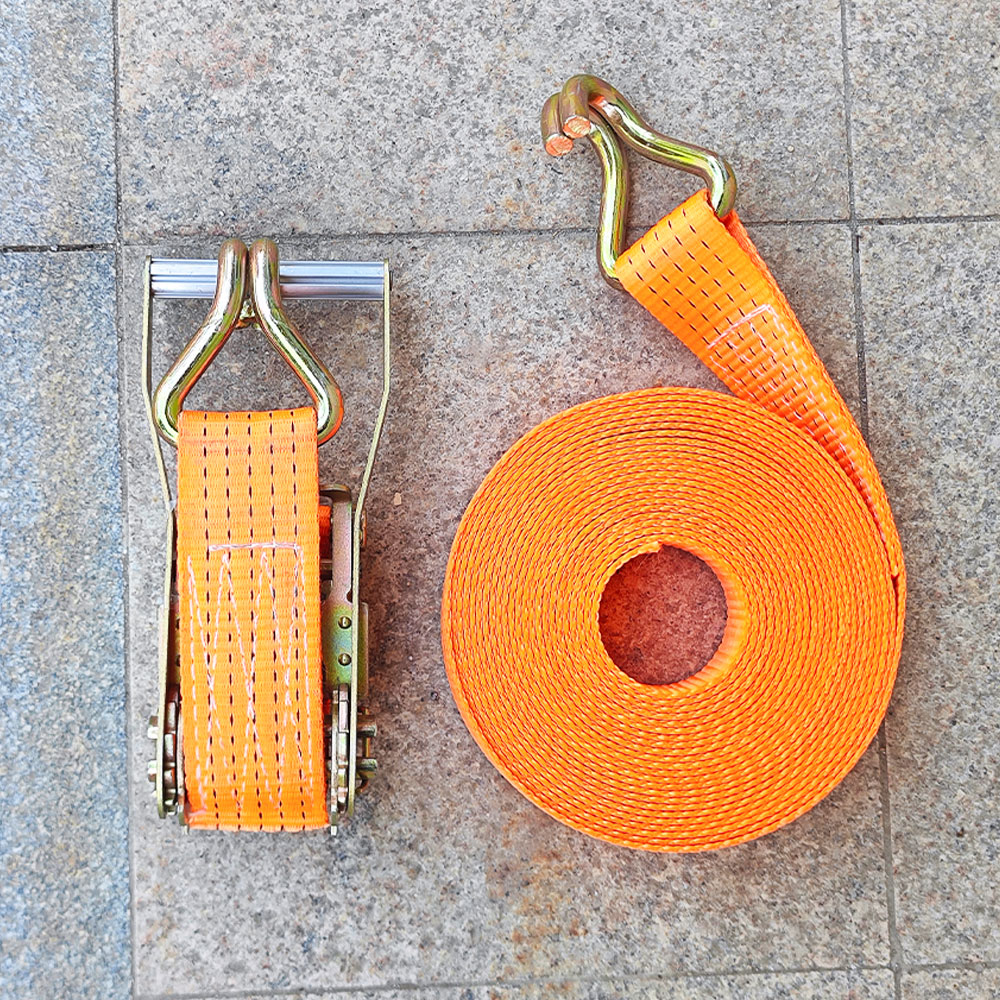
Ratchet down straps are essential tools for securing cargo and ensuring safe transportation in various industries. These versatile straps are designed to provide strong and reliable tension, making them ideal for applications in construction, marine engineering, and transportation. As a purchasing manager or distributor, understanding the nuances of ratchet down straps is crucial for making informed decisions. This article will address key considerations when sourcing ratchet down straps, including where to wholesale them, installation guidance, material advantages, common problems and solutions, and tips for sourcing high-quality options.
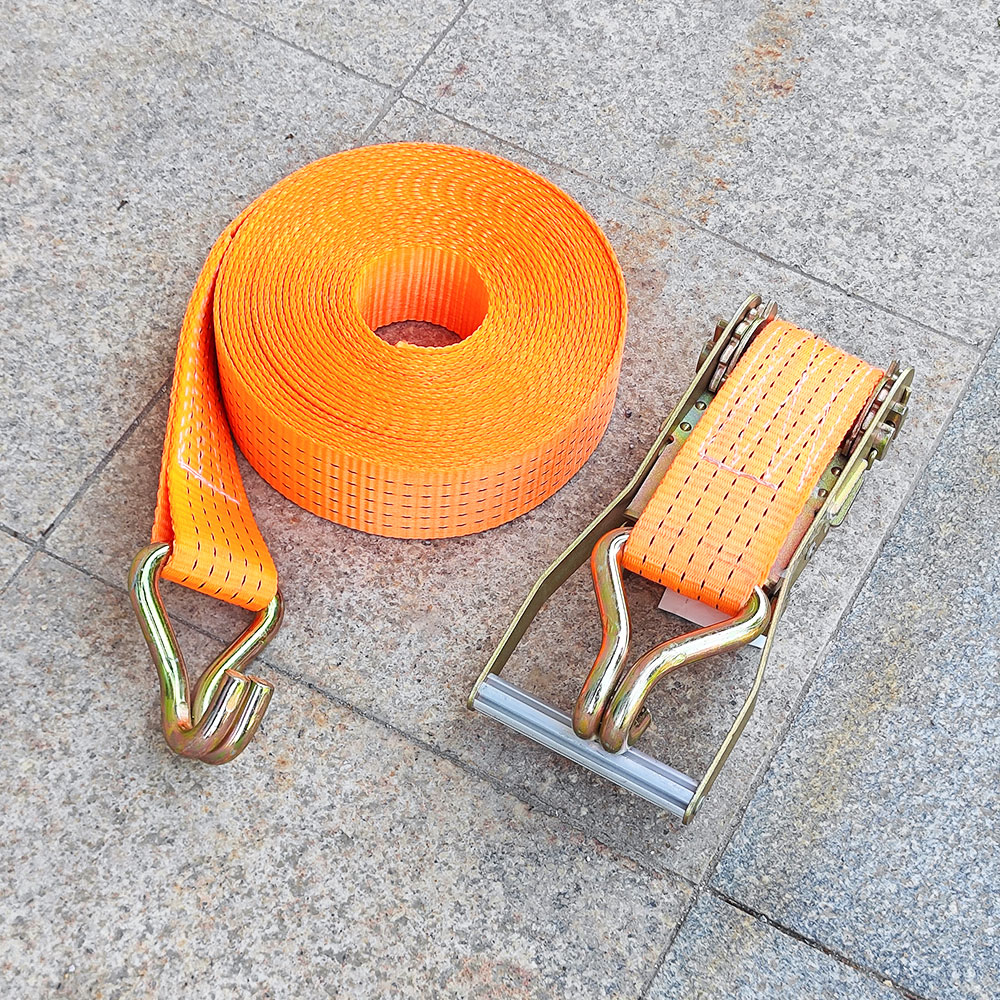
Installation Guidance for Ratchet Down Straps in Various Applications
Proper installation is key to ensuring the effectiveness of ratchet down straps. These straps can be used in a variety of applications, including securing loads on trailers, in shipping containers, and during transportation.
Preparation: Before installation, inspect the ratchet and strap for any signs of wear or damage. Ensure that the load is stable and positioned correctly.
Positioning the Strap: Loop the strap around the load and through the ratchet. It’s crucial to avoid twisting the strap, as this can weaken the tension and increase the risk of failure.
Tensioning: Ratchet the strap until the desired tension is achieved. Over-tightening can damage the strap or the load, while under-tightening may result in slippage.
Securing Ends: Once the load is secured, ensure that the strap ends are tucked away or secured to prevent any accidental release during transportation.
In complex environments, such as marine or construction sites, ensure that the installation meets industry safety standards.