Choosing the Right Marine Chain for Your Project

All Categories

marine chain

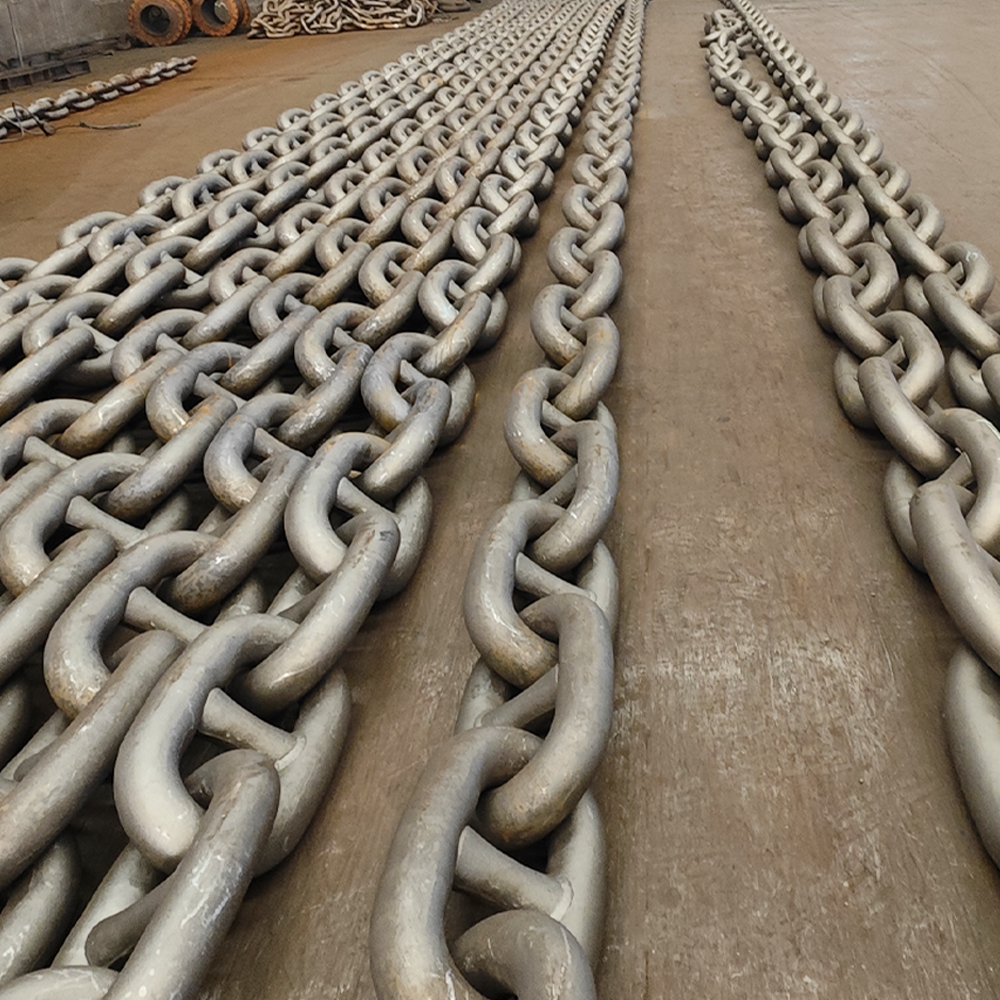
Marine chains  play  a critical  role in various applications,  particularly  in marine engineering, construction, and transportation.  They are  designed to  withstand the harsh marine environment while ensuring that lifting and anchoring  operations  are conducted  safely and efficiently. For B2B buyers,  understanding how to choose the right marine  chain for specific project  needs is essential, as is being  aware of the key  specifications, cost  factors, and best practices involved in the purchasing process. This article aims to provide  practical insights that will guide purchasing  managers, distributors,  and engineers in making informed decisions regarding marine chain procurement.
Key Specifications to Consider

Key Specifications to Consider

When evaluating marine chains, several key specifications should be taken  into account:

Material: Marine chains are generally manufactured from high-carbon steel or stainless steel, each offering  different benefits.  High-carbon steel is strong and cost-effective, while stainless steel provides superior corrosion resistance, making  it ideal for  harsh marine environments.

Dimensions: The diameter of the chain links impacts the  load capacity and flexibility  of the chain. Larger diameter chains can handle heavier loads but may be less flexible, which  could affect  installation.

Link Structure: The  design of the links (e.g.,  short link or long link) affects the chain's performance in  specific applications. Short link chains  are typically  used for lifting, while  long link chains may be more suitable for anchoring.

Coating: Some marine  chains come with protective coatings to enhance corrosion resistance. Hot-dip galvanization is a common method used to  improve the chain's durability in marine  settings.

Standards and Certifications: Ensure that the marine chain  complies  with relevant industry standards and certifications, such as ISO and CE certifications, which can indicate a level of quality assurance.
Understanding Cost Factors in Marine Chain Purchases

Understanding Cost Factors in Marine Chain Purchases

The  cost of marine chains can  vary significantly based on various factors.  Key considerations include:

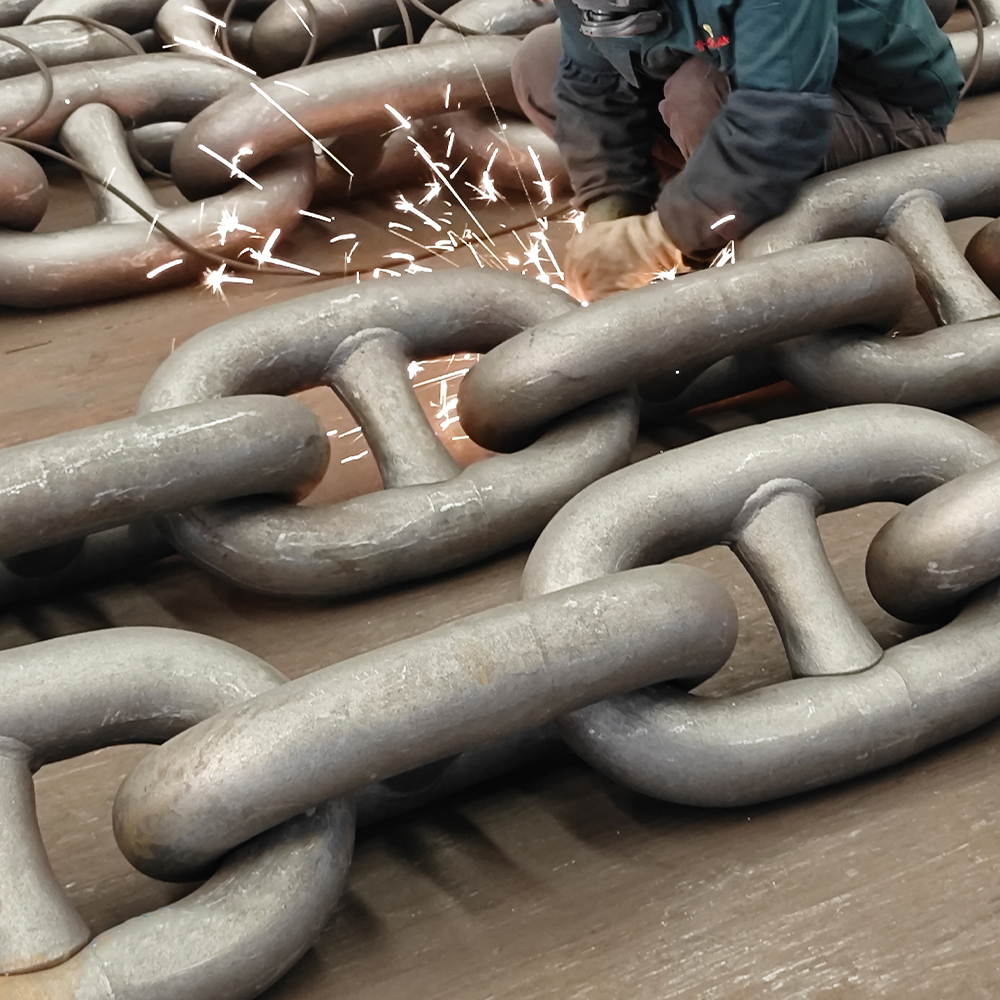
Material Costs: The type of material  used  (high-carbon  steel vs. stainless steel) can lead to price  differences. Stainless steel chains will typically be more expensive but offer longer service life due to their corrosion resistance.

Manufacturing Complexity: Chains  that require specialized production processes or customizations will generally  incur higher costs. If your  project has unique specifications, expect to pay a premium.

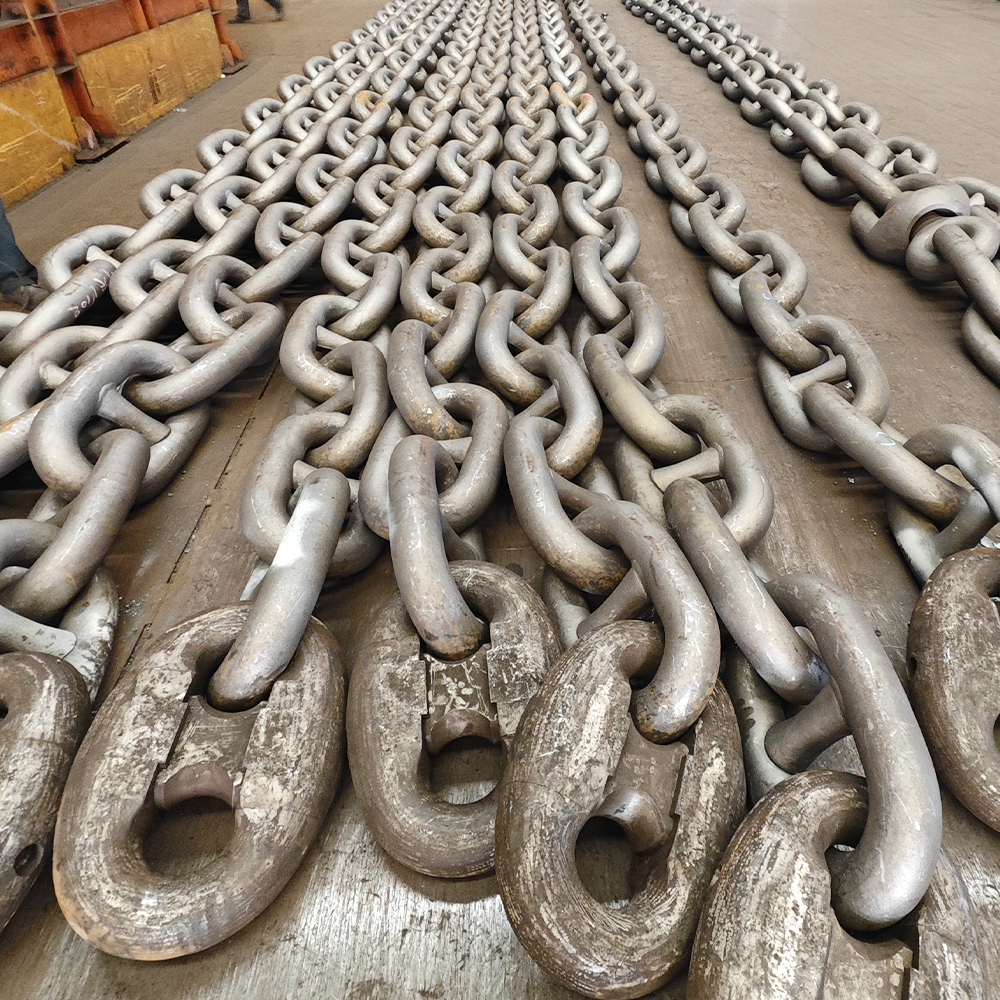
Order Quantity: Bulk orders often come with discounts. Understanding your minimum order  quantity (MOQ) can help you  negotiate  better pricing. For example, bulk purchasing of Shackles can lead to substantial savings.

Shipping and Handling:  Costs related to shipping,  customs duties, and insurance should also be factored into the overall  price.

Market Demand: Fluctuations in  demand for marine chains can affect pricing. Keeping an eye on market trends may  provide opportunities for cost  savings.

Best Practices

Best Practices

When procuring marine chains, following best practices can  help ensure you make  informed purchasing decisions:

Request Samples: Before placing a bulk order, ask for samples to evaluate quality and performance  under actual operating conditions. This allows you to  assess the chain's suitability for  your specific application.

Verify Specifications: Confirm that the chain's specifications match your project requirements. This includes checking the material, dimensions, and load  capacity.

Supplier Evaluation: Research potential suppliers thoroughly. Look for manufacturers  with proven experience in producing marine chains and check  reviews  or case studies from previous  customers.

Quality  Control: Implement a  quality  inspection process upon receipt of the marine chains. This may involve checking for compliance with specifications, visual  inspections for defects,  and  load testing  where applicable.

Maintenance Considerations:  Develop a maintenance plan for the chains to ensure their longevity and reliability. Regular inspections and proper  storage are crucial in prolonging the  life of marine chains.

Applications of Marine Chain in Marine Engineering Projects

Marine chains are integral in various marine engineering applications,  including:

Mooring: Used to secure vessels to docks or buoys, ensuring stability in various weather conditions. The chain must  be strong enough to withstand harsh marine environments and dynamic loads.

Lifting Operations: In the construction  of marine structures such as bridges and  offshore platforms, marine  chains are  used in lifting equipment. The chains must meet stringent load requirements to ensure safety.

Anchoring: Marine chains are commonly employed for anchoring vessels. The design and material of the  chain should be chosen based  on the seabed  condition and expected environmental forces.

Towing: In tugboat operations, marine chains can be used for towing other vessels. They must possess high tensile  strength and flexibility to  accommodate various towing scenarios.

Subsea  Applications: Marine chains can also be utilized in subsea  structures for anchoring and securing underwater equipment, requiring specialized materials resistant  to corrosion and pressure.

Selecting the  right marine chain involves careful consideration of various  specifications, manufacturing practices, and application needs. By  understanding these  factors and implementing best practices in purchasing, buyers can ensure their projects are equipped with  the appropriate marine chains for reliable and safe operations.

How to Choose the Right Marine Chain for Your Project Needs

Selecting the appropriate marine  chain begins with understanding the  specific requirements of your project. Consider factors such as the load capacity, environmental conditions, and intended  use.  For instance, different marine  chains are  suited  for  anchoring, mooring, or lifting applications.

It's  crucial to assess the  working load limit (WLL) of the chain, which indicates the maximum load the chain can safely support during normal operation. Additionally,  consider the chain's  material; marine chains are  typically made from high-strength steel,  which provides durability and  resistance  to  corrosion. Always consult with your supplier to verify  that the  marine  chain meets the demands of your application. For those considering marine chains, options such as Galvanized iron chain DIN766 2mm to 32mm welding galvanized link chain can be particularly effective.

Why choose LoadStar marine chain

We company produced are sold to more than 30 countries

the products of the company are of high-quality are fully-specified designs they have a good reputation across more than Galvanized chain including china iran pakistan saudi arabia the united arab emirates

We own our own factory

Own factory ensures that every link from raw materials to wire rope sling of product production can be controlled. Owned factories allow businesses to directly manage and control the process of production, thus cutting production costs in a more efficient manner.

Professional service team

After the product is produced Chain link galvanized will examine it for quality, pack it and ship it to you.

We have many years of production experience, products in line with national certification standards

our products have passed ce certification covering 3 8 galvanized chain g43 g70 g80 g100 and meet the standards we are committed to providing high quality products that meet international standards to meet the growing needs of our customers our products are used in engineering construction in various countries and they still maintain their strength and quality after many years of use

Our Blog Posts

What Are the Key Advantages of Using Wire Rope in Lifting Applications?

25

Mar

What Are the Key Advantages of Using Wire Rope in Lifting Applications?

Wire rope is made of steel and is a strong and Thread, and is used mainly for lifting heavy objects. There are many advantages of this lifter and that is why it is the best heavy lifter.Wire rope is very strong and long-lasting. Which means, doing a ...
View More
How Proper Swaging of Aluminium Ferrules Ensures Lifting Safety

28

Jul

How Proper Swaging of Aluminium Ferrules Ensures Lifting Safety

That is where swaging becomes critical in moving heavy objects in a safe manner. When using aluminum ferrule, care should be taken to ensure that the correct swaging techniques are employed in order to avoid damage to the lifting machinery.The signif...
View More
Is an Incorrectly Sized Eye Bolt & Nut Compromising Your Project's Safety?

02

Oct

Is an Incorrectly Sized Eye Bolt & Nut Compromising Your Project's Safety?

Is a Over/Under Sized Eye Bolt & Nut Costing You Your Job? The safety of any equipment used is paramount when carrying out any work. That includes the little things like eyebolts and nuts  which are just as important as the big sights to th...
View More
Material certifications to request when buying an Industrial Snap Hook

13

Jan

Material certifications to request when buying an Industrial Snap Hook

If you are looking to purchase an industrial snap hook, the first thing that needs to be done is ensure it is suitable for what you need. These are convenient little gadgets, but a few things can go awry if you don’t choose the right one. At times th...
View More