 EN
EN
 AR
AR
 BG
BG
 HR
HR
 CS
CS
 DA
DA
 NL
NL
 FI
FI
 FR
FR
 DE
DE
 EL
EL
 HI
HI
 IT
IT
 JA
JA
 KO
KO
 NO
NO
 PL
PL
 PT
PT
 RO
RO
 RU
RU
 ES
ES
 SV
SV
 TL
TL
 IW
IW
 ID
ID
 LT
LT
 SR
SR
 SL
SL
 SQ
SQ
 HU
HU
 TH
TH
 TR
TR
 FA
FA
 AF
AF
 MS
MS
 HY
HY
 AZ
AZ
 BN
BN
 SO
SO
 KK
KK
Manual winch lifts are essential tools in various industries, enabling efficient lifting and handling of heavy loads in challenging environments. For businesses involved in construction, marine engineering, or transportation, understanding how to select and utilize a manual winch lift is crucial for safety and productivity. This article will address common concerns for B2B buyers, including product specifications, installation processes, and quality considerations, providing practical guidance to help you make informed purchasing decisions.
Common Problems with Manual Winch Lifts and Their Solutions
Despite their reliability, manual winch lifts may encounter several common issues that can affect performance. One major problem is insufficient lubrication, which can lead to wear and tear on gears and components, resulting in decreased efficiency. Regular maintenance, including cleaning and lubricating moving parts, can help extend the lifespan of the winch.
Another issue is improper load distribution. Uneven loading can cause the winch to become unstable, potentially leading to accidents or damage to the lift. Always ensure loads are balanced and within the winch's rated capacity. Implementing proper rigging practices, such as using slings or chains, can aid in achieving balanced loads.
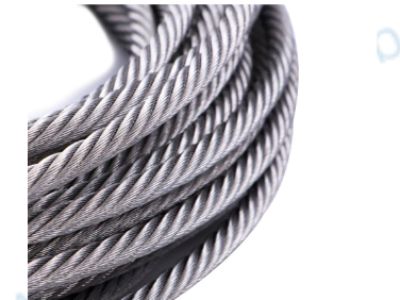
Additionally, wear on the cable or rope is a common concern. Inspecting the lifting line regularly for frays or kinks is essential. Replacing the line at the first sign of damage can prevent failures during operation.