 EN
EN
 AR
AR
 BG
BG
 HR
HR
 CS
CS
 DA
DA
 NL
NL
 FI
FI
 FR
FR
 DE
DE
 EL
EL
 HI
HI
 IT
IT
 JA
JA
 KO
KO
 NO
NO
 PL
PL
 PT
PT
 RO
RO
 RU
RU
 ES
ES
 SV
SV
 TL
TL
 IW
IW
 ID
ID
 LT
LT
 SR
SR
 SL
SL
 SQ
SQ
 HU
HU
 TH
TH
 TR
TR
 FA
FA
 AF
AF
 MS
MS
 HY
HY
 AZ
AZ
 BN
BN
 SO
SO
 KK
KK
Manual winches for lifting are essential tools used across various industries, providing a reliable solution for hoisting and lowering heavy loads. As a purchasing manager or a project engineer, selecting the right manual winch is critical for ensuring safety, efficiency, and compatibility with your lifting operations. This article will help you understand the key specifications, quality evaluation criteria, and practical applications of manual winches, enabling you to make informed purchasing decisions.
Key Specifications to Consider When Sourcing Manual Winches
Several specifications are critical when sourcing manual winches for lifting.
Load Capacity: This is the maximum weight the winch can safely lift and should match or exceed your heaviest load.
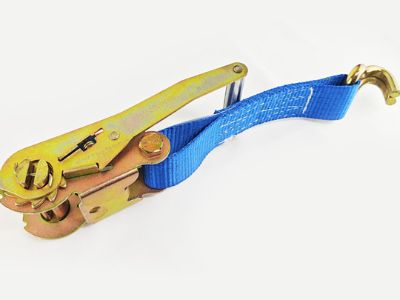
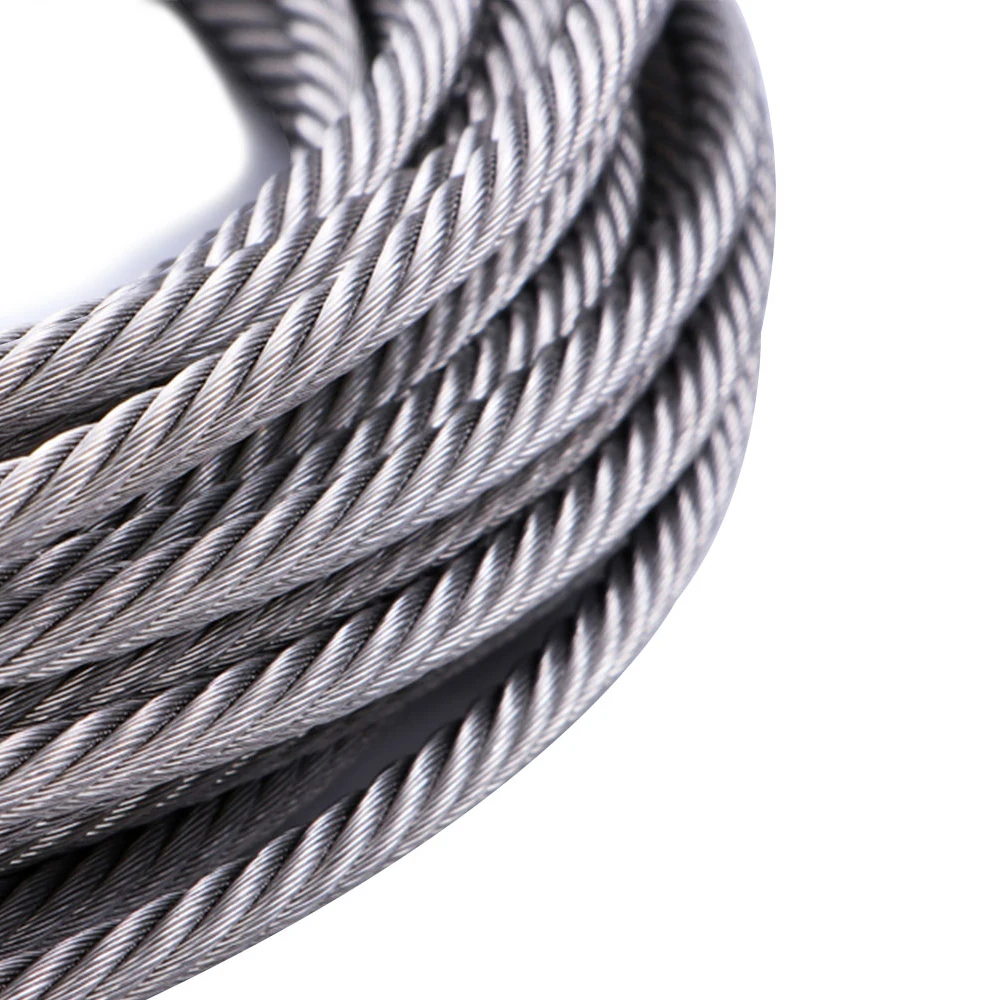
Rope or Chain Type: Winches use either wire rope or chains. Wire ropes are lighter and offer better flexibility, while chains provide superior durability and resistance to wear. For instance, Ratchet Tie Down Strap can also complement your lifting operations by securing loads effectively.
Drum Size: The drum's diameter affects the winch's lifting speed and the amount of rope or chain it can hold. Ensure the drum size aligns with the length of rope or chain required for your application.
Safety Features: Look for features such as automatic brakes, locking mechanisms, and overload protection to ensure safe operation.
Material and Build Quality: The construction material affects longevity and performance. Winches made from corrosion-resistant materials are ideal for marine or outdoor applications.
Certifications: Look for products that comply with relevant safety standards, such as CE and ISO certifications, which indicate adherence to quality and safety regulations.