 EN
EN
 AR
AR
 BG
BG
 HR
HR
 CS
CS
 DA
DA
 NL
NL
 FI
FI
 FR
FR
 DE
DE
 EL
EL
 HI
HI
 IT
IT
 JA
JA
 KO
KO
 NO
NO
 PL
PL
 PT
PT
 RO
RO
 RU
RU
 ES
ES
 SV
SV
 TL
TL
 IW
IW
 ID
ID
 LT
LT
 SR
SR
 SL
SL
 SQ
SQ
 HU
HU
 TH
TH
 TR
TR
 FA
FA
 AF
AF
 MS
MS
 HY
HY
 AZ
AZ
 BN
BN
 SO
SO
 KK
KK
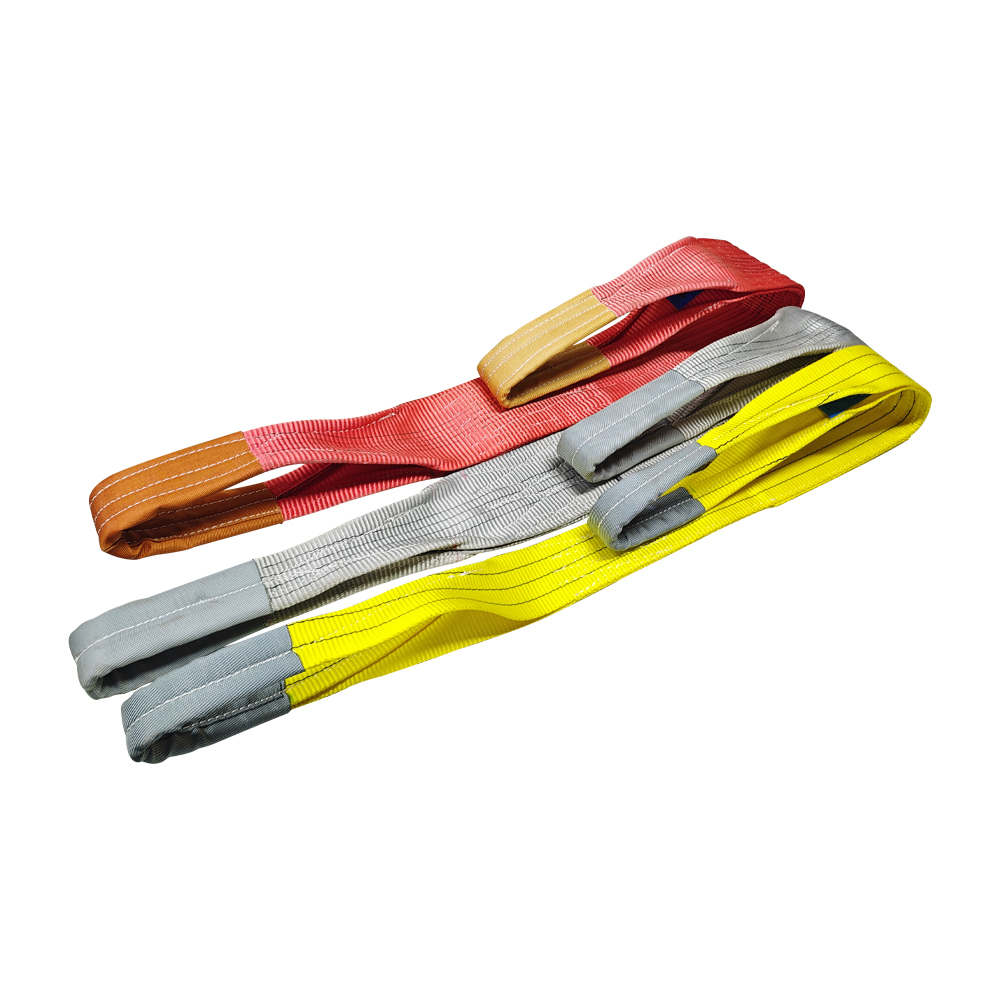
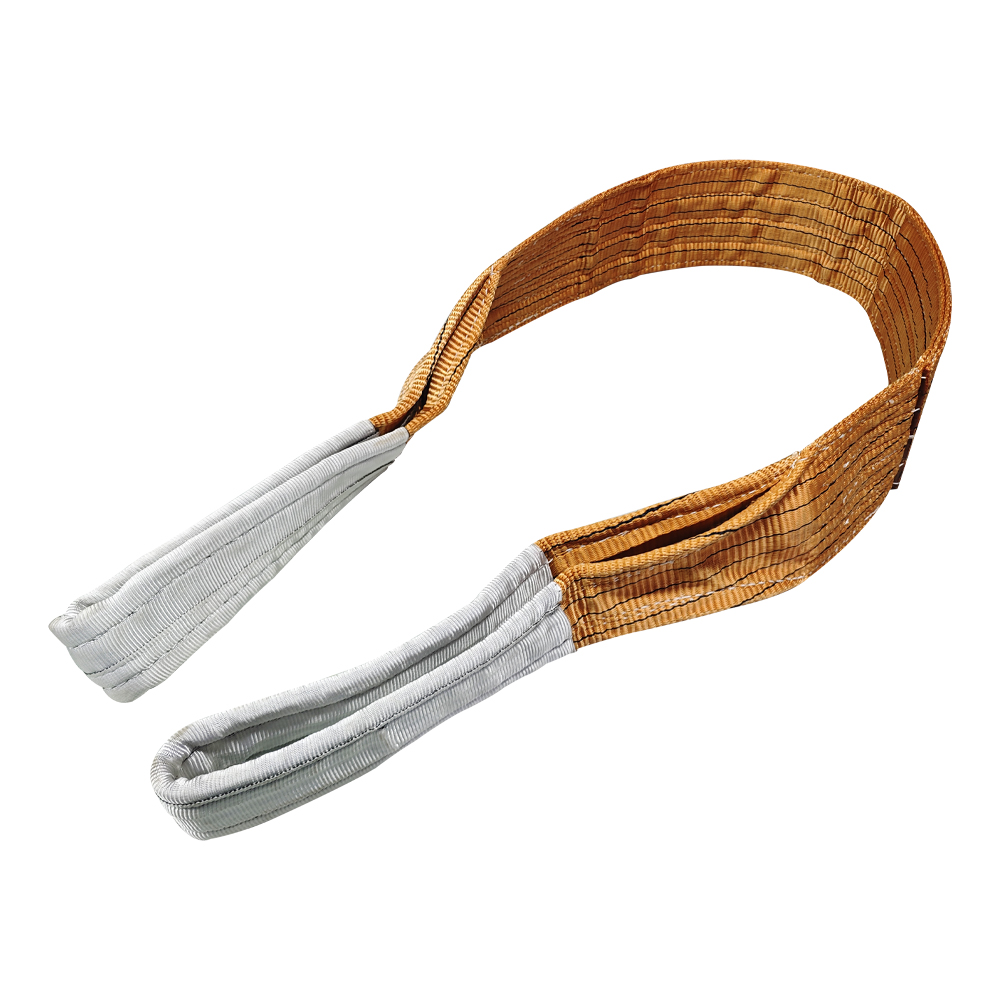
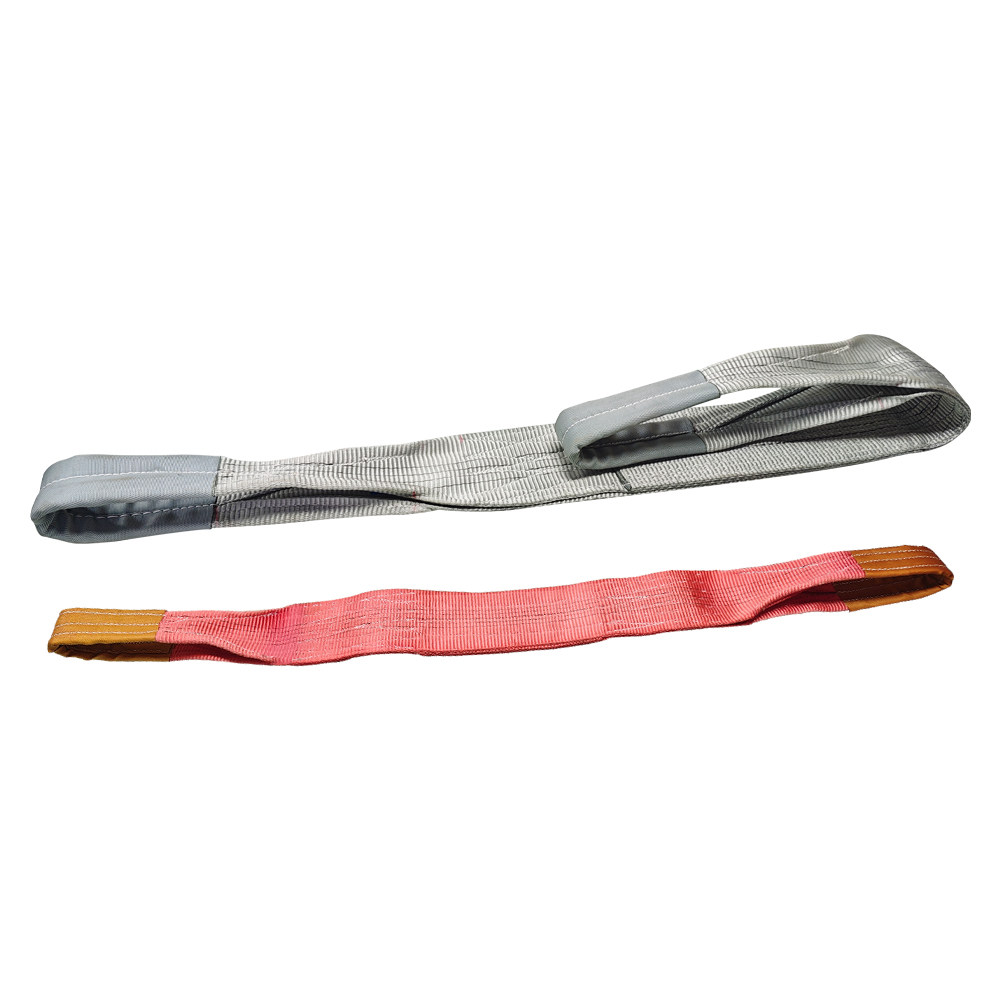
Lifting webbing slings are essential tools used in various industries for safe lifting and transporting heavy loads. As a B2B buyer, understanding the specifics of these products is crucial for making informed purchasing decisions. Key concerns often include product performance, compliance with safety standards, and suitability for specific applications. This article will provide insights on how to effectively purchase lifting webbing slings in bulk, what specifications to consider, cost factors, installation guidelines, and their applications in construction and engineering.
What to Look For
When selecting lifting webbing slings, there are several critical factors to consider:
Material: Look for slings made from high-strength polyester or nylon. These materials offer excellent tensile strength while being lightweight and resistant to abrasion and UV damage.
Load Capacity: Each sling should have a clear load rating specified by the manufacturer. It’s crucial to choose slings that can handle the maximum load expected in your operations.
Safety Certifications: Ensure that the slings are CE and ISO certified, which indicates compliance with international safety and quality standards.
Design Features: Consider the type of sling design—flat, round, or endless—and choose one that best fits your lifting requirements. Each design has its advantages in terms of flexibility, load distribution, and ease of handling.
Durability: Evaluate the production processes used by the manufacturer to ensure that the slings are produced with robust quality control measures in place.
By paying close attention to these factors, buyers can ensure they select slings that will perform reliably in demanding environments.