Flat Webbing Sling: Key Specifications & Benefits

All Categories

flat webbing sling

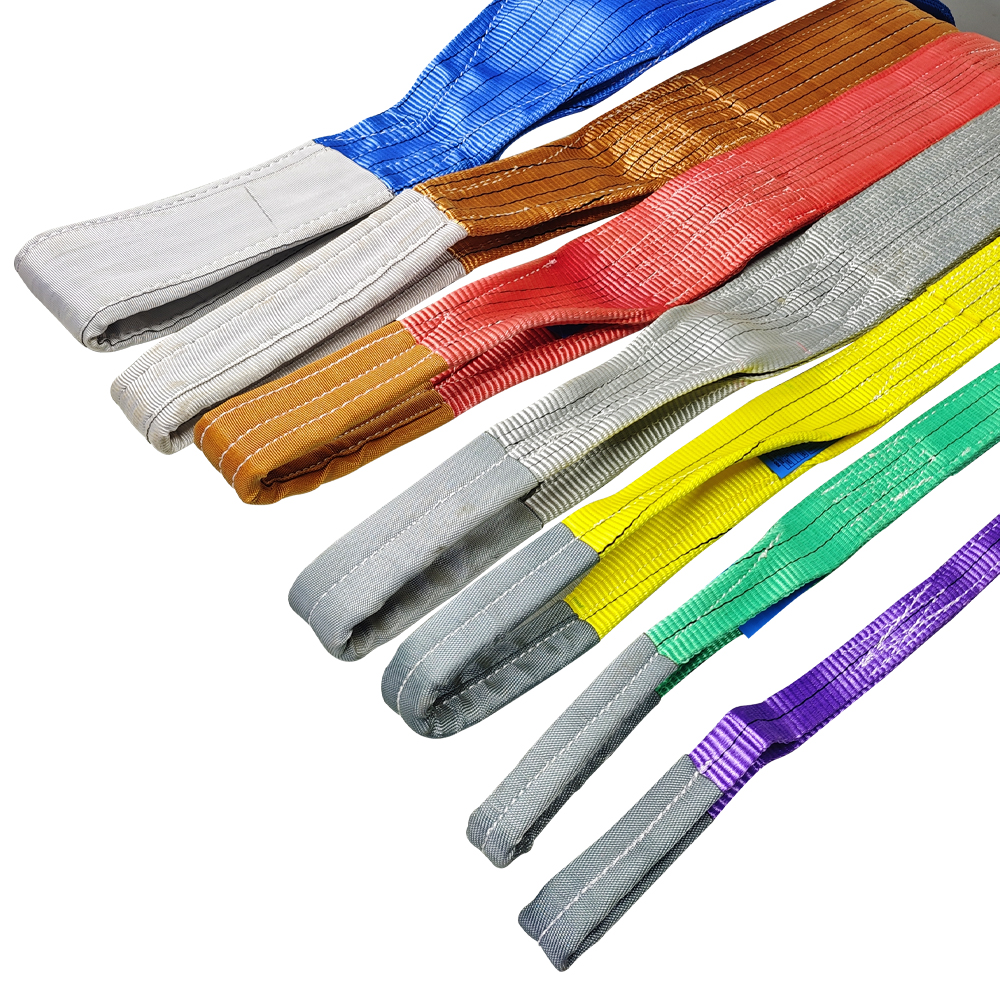
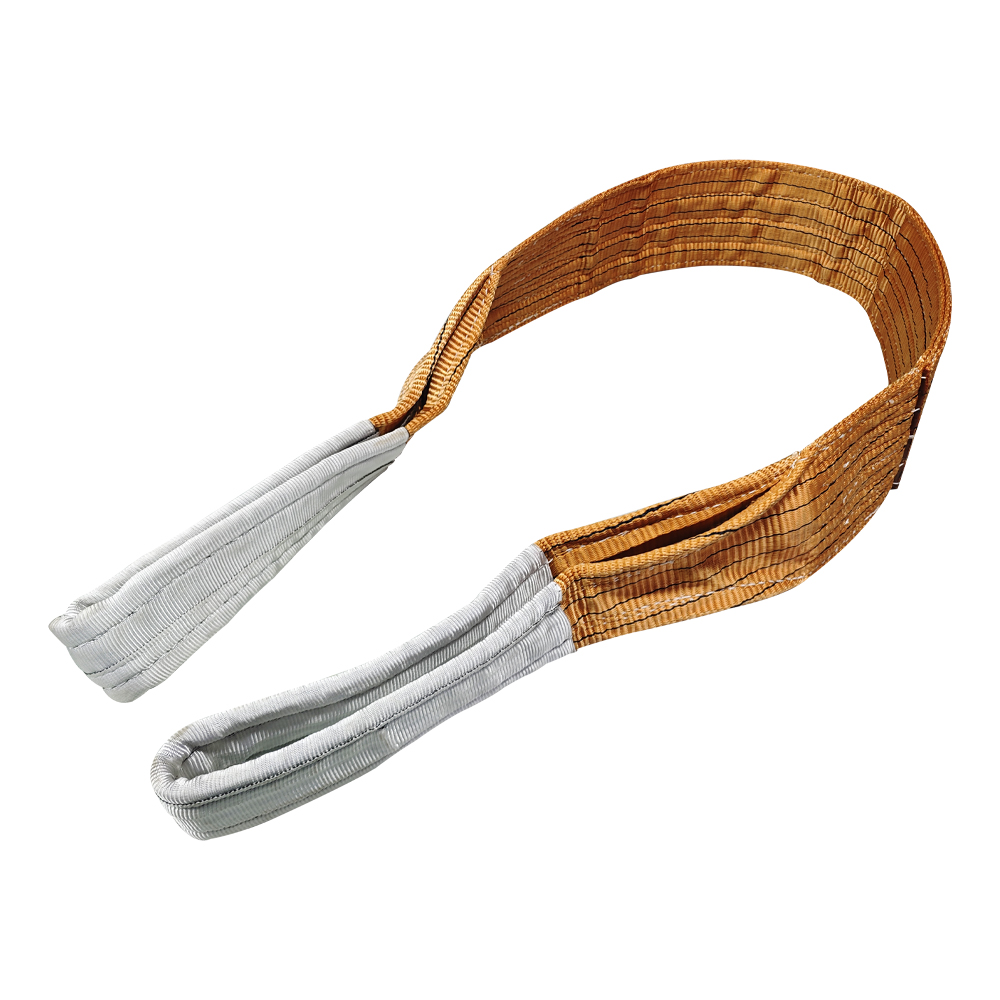
Flat webbing slings are essential lifting tools designed for safely transporting heavy loads across various  industries. With increasing  demands  for efficiency and  safety, purchasing managers and  engineers  must  understand the  specifications, applications,  and cost  implications of  these slings  to make informed  decisions.  This article provides a detailed overview of flat webbing slings, including  key specifications, bulk order  benefits,  applications across  industries, critical purchasing considerations, and  cost factors for  bulk orders.
Bulk Order Benefits and Options

Bulk Order Benefits and Options

Purchasing flat webbing slings  in bulk offers several advantages for businesses looking to optimize their supply chain and cost-effectiveness.

Cost Savings: Bulk orders typically come with price discounts,  reducing the per-unit cost  significantly. This  can lead to considerable savings, especially for companies with large-scale  lifting operations.

Consistency in Product Quality: Ordering  in bulk ensures that all slings  are manufactured  in the same  production run, which can enhance consistency in quality and  performance. This is particularly important for companies that rely on the same specifications for multiple projects.

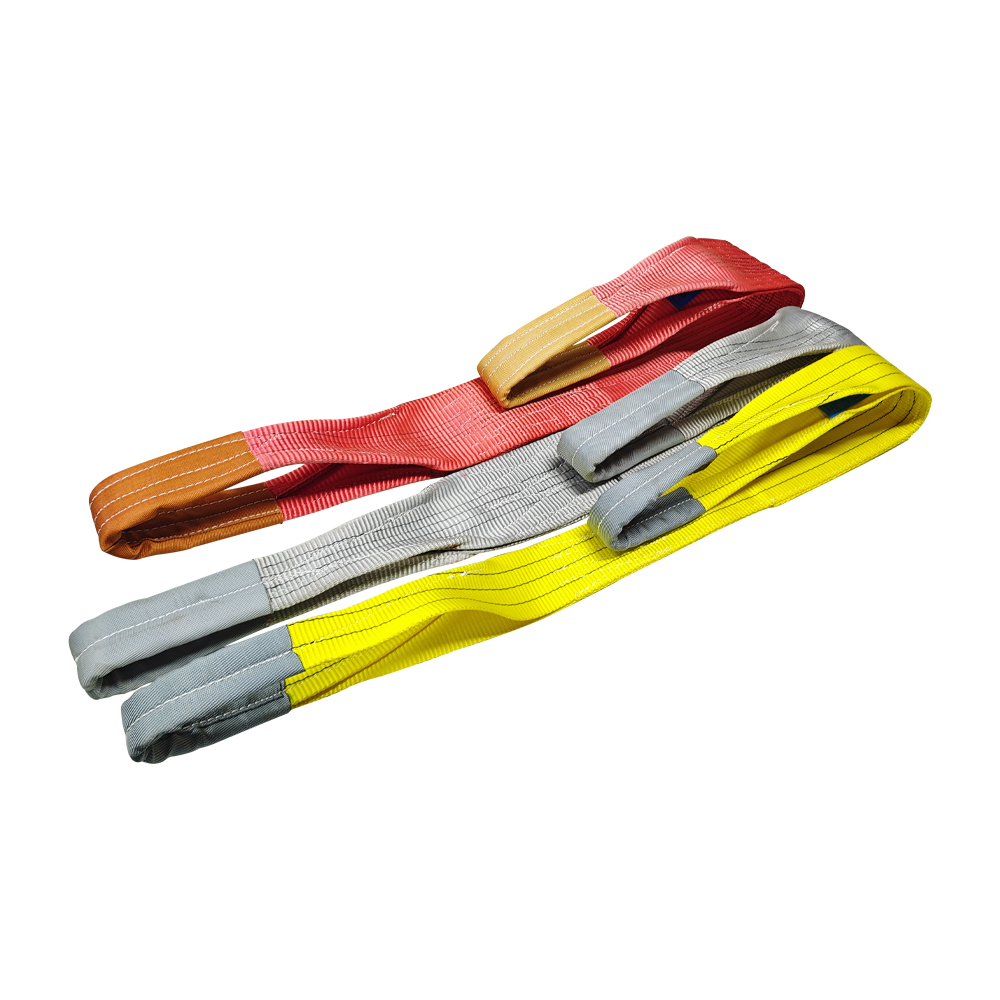
Customization Options: Many manufacturers, including Shandong Lisheng Machinery, offer customization options for bulk orders,  such as length, width, and color coding for  load capacities. This flexibility allows businesses to tailor their slings to specific applications.

Streamlined Supply  Chain: Buying  in bulk can simplify procurement processes, reducing the frequency of  orders and the  associated administrative workload. It also helps in  maintaining stock levels for critical  operations.

Lead Time Improvements:  With bulk orders, companies can often benefit from prioritized production schedules, leading to faster delivery times compared  to smaller, individual orders.
Understanding Flat Webbing Sling Applications in Various Industries

Understanding Flat Webbing Sling Applications in Various Industries

Flat webbing slings have  versatile applications across multiple industries, which influence their design and specifications.

Construction: In  construction, flat webbing slings are frequently used for lifting and moving heavy materials  such as beams, machinery, and concrete  blocks.  The ability to distribute weight evenly reduces the risk of damage to the load and enhances safety.

Marine Engineering: These  slings are utilized in marine environments  for lifting heavy equipment onto ships  or barges. Their resistance to water and  UV exposure makes  them ideal for such applications.

Transportation: Flat webbing slings play a critical  role in securing loads during transport, ensuring that cargo remains stable and protected from shifting. Their lightweight nature facilitates easy handling and application.

Manufacturing:  In manufacturing facilities, flat  webbing slings assist  in moving large parts  between different stages of production. Their flexibility and  strength allow for safe and efficient handling of diverse materials. For example, using wire rope clamps can further enhance the safety and effectiveness of lifting operations.

Understanding the specific applications helps buyers select the right type of  sling for their  operational needs, ensuring  both safety and  efficiency.

What to Look For

What to Look For

When purchasing  flat webbing slings,  several key factors  should be addressed to ensure the right choice is made.

Quality Assurance: Verify the manufacturer's quality control processes.  Ensure that the slings undergo rigorous testing to meet safety and performance standards before reaching  the  market.

Sample Approval: Before committing to a bulk order,  request samples. Testing  these samples under actual working  conditions can reveal how the slings perform in real-world scenarios. Look for issues  like  fraying, wear, and load handling.

Supplier Reputation: Evaluate the supplier's reputation in the market. Look  for reviews, case studies, or  client testimonials  that demonstrate the supplier’s reliability and product quality.

Technical Support: Consider whether the supplier offers technical assistance or guidance in selecting the right  slings for specific applications. A knowledgeable supplier can help clarify specifications and ensure compliance  with safety standards.

Warranty and After-Sales Support: Check if the supplier  provides warranty coverage and after-sales support. A robust support system can  be crucial in addressing  any issues that may arise post-purchase.

By  focusing on these factors, buyers can mitigate risks associated with purchasing flat webbing slings.

Cost Factors When Purchasing Flat Webbing Slings in Bulk

Several cost  factors come into play when purchasing flat webbing slings in bulk, impacting the overall budget.

Material Costs: The  type of material used in the slings significantly affects the price. While polyester is common and cost-effective, specialized materials may increase costs due to  enhanced properties.

Customization Costs: Custom  lengths, widths, or colors may incur additional charges. Buyers  should assess whether these customizations are necessary for  their operations or if standard options  would suffice.

Volume Discounts:  Many manufacturers offer  tiered pricing based on order volume. Understanding these price breaks can help  buyers optimize  their purchase quantities for maximum savings.

Shipping and Handling: Consider the shipping  costs associated with bulk orders.  Larger orders may  require specialized transport, which can affect the  overall cost. It's advisable to inquire about shipping terms  and potential discounts for bulk shipments.

Inspection and Testing Costs: Depending on the application, buyers may opt for additional inspections or testing of the slings. These costs should be factored into the overall budget.

By comprehensively evaluating  these  cost factors, purchasing managers can make informed decisions that align with their budgetary constraints while ensuring they  acquire reliable lifting  solutions.

Key Specifications to Consider

When  selecting  flat webbing slings, several specifications must be taken into account to ensure optimal performance and safety.

Material: Flat webbing slings are typically made from high-strength  polyester, which is known for its durability and resistance to  abrasion and UV light. The  choice of material affects the sling's load capacity, flexibility, and lifespan.

Width and Length: The width of the sling influences  its load distribution and the type of loads it can handle. Common widths range from 25mm to 300mm. The length of the sling  should  be considered based on the lifting height and the load's dimensions, ensuring compatibility with the lifting equipment.

Load Capacity: It's  crucial to select  slings with an appropriate load  capacity,  often indicated by a color-coded label. Buyers should confirm the Working Load Limit (WLL) and factor  in any additional safety margins required  for specific applications.

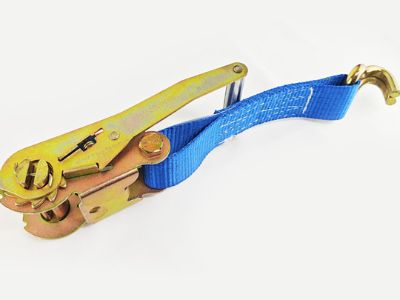
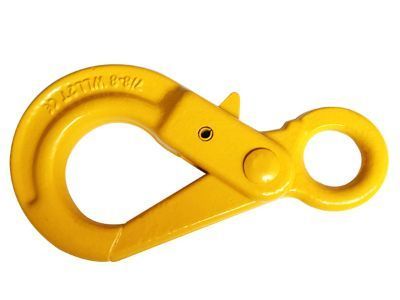
End Fittings:  Options for end fittings include flat loops, D-rings, or hooks. The choice of fitting should match  the lifting equipment and the load being handled.

Certification: Ensure that the flat webbing slings are CE and ISO certified,  as these certifications indicate compliance with safety  and quality standards.

Understanding  these specifications allows buyers to choose slings that meet their operational needs and safety  standards effectively. For instance, purchasing webbing slings in bulk can be an effective way to manage costs and ensure you have the right equipment on hand.

Why choose LoadStar flat webbing sling

We have many years of production experience, products in line with national certification standards

our products have passed ce certification hot dipped galvanized chain g30 g43 g70 g80 g100 and meet the standards we are committed to providing high quality products that meet international standards to meet the growing needs of our customers our products are used in engineering construction in various countries and they still maintain their strength and quality after many years of use

We company produced are sold to more than 30 countries

the products Wire rope hoist by the company are high-end that come with full specifications designs they are sold in over 30 countries including china iran pakistan saudi arabia the united arab emirates

We own our own factory

A factory is a place 2 leg wire rope sling companies to control and manage the entire process of production. This helps reduce production costs.

Professional service team

Prior to placing your order, our expert service personnel can customize products according to your specifications and, after the completion of the production process we have a team of professionals to inspect the quality of the product Wire rope hoist, delivery and quality inspection to ensure that you are satisfied.

Our Blog Posts

What Are the Load Capacity Differences in an Eye Bolt & Nut?

27

Jul

What Are the Load Capacity Differences in an Eye Bolt & Nut?

When considering eye bolts and nuts, one aspect to focus on is their load bearing. Load capacity is the maximum weight an eye bolt or nut can safely support without breaking. Determination of load carrying capacity of these fasteners is important for...
View More
Why Our Aluminium Ferrules Are a Top Choice for Wire Rope Fabricators

28

Jul

Why Our Aluminium Ferrules Are a Top Choice for Wire Rope Fabricators

If were talking about prodcing wire rope, key to the whole thing are the ferrules which hold that all in place. LoadStar are proud of the aluminum Stop buttons, the preferred ferrules for wire rope fabricators around the world.Find out why our alumin...
View More
Where to Source High Volume Industrial Snap Hook Orders

24

Nov

Where to Source High Volume Industrial Snap Hook Orders

If companies require a lot of snap hooks for their industrial needs, then it’s really important to find the right place to buy it. Snap hooks are a type of metal clip used to quickly and securely hold two items together. They need to be strong and de...
View More
Selecting the right Industrial Snap Hook for fall protection systems

13

Jan

Selecting the right Industrial Snap Hook for fall protection systems

When selecting an industrial snap hook to connect to fall protection systems, you should look for safety and dependability. Working at heights can be dangerous if the right equipment is not used, and nothing could keep you safer than by using the app...
View More