 EN
EN
 AR
AR
 BG
BG
 HR
HR
 CS
CS
 DA
DA
 NL
NL
 FI
FI
 FR
FR
 DE
DE
 EL
EL
 HI
HI
 IT
IT
 JA
JA
 KO
KO
 NO
NO
 PL
PL
 PT
PT
 RO
RO
 RU
RU
 ES
ES
 SV
SV
 TL
TL
 IW
IW
 ID
ID
 LT
LT
 SR
SR
 SL
SL
 SQ
SQ
 HU
HU
 TH
TH
 TR
TR
 FA
FA
 AF
AF
 MS
MS
 HY
HY
 AZ
AZ
 BN
BN
 SO
SO
 KK
KK
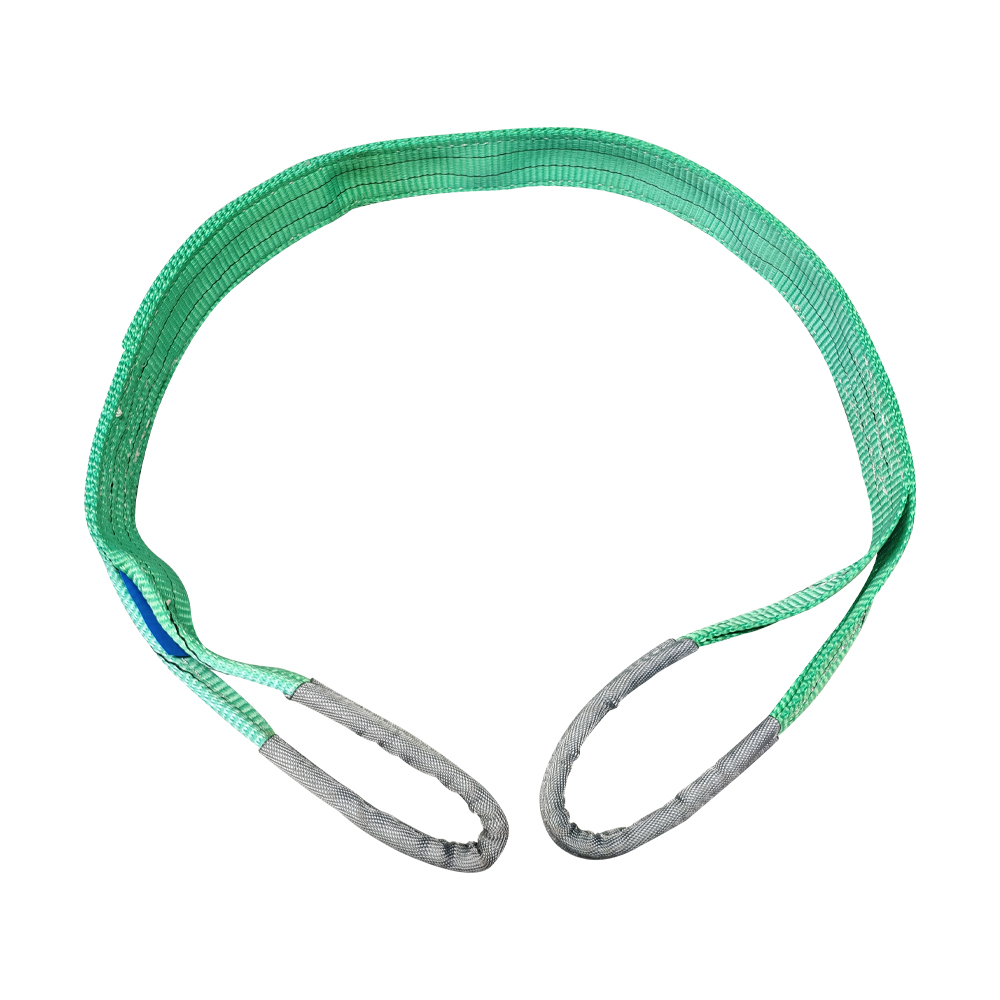
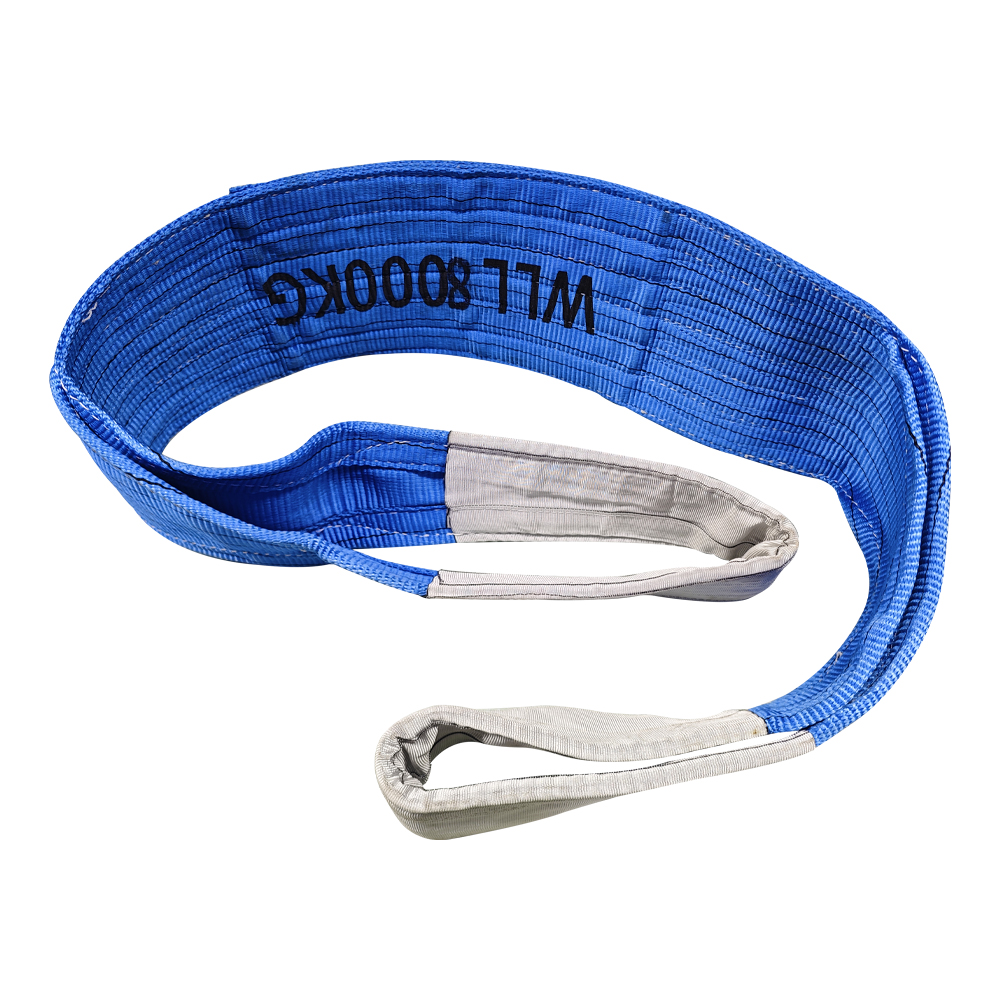
Eye to eye slings are essential lifting solutions used in various industries, particularly in construction and marine engineering. These slings offer reliability and strength for lifting and rigging applications. As a B2B buyer, understanding the specifications, sourcing options, and key applications of eye to eye slings is crucial for making informed purchasing decisions. This article will guide you through the important aspects of eye to eye slings, helping you select the right product for your needs.
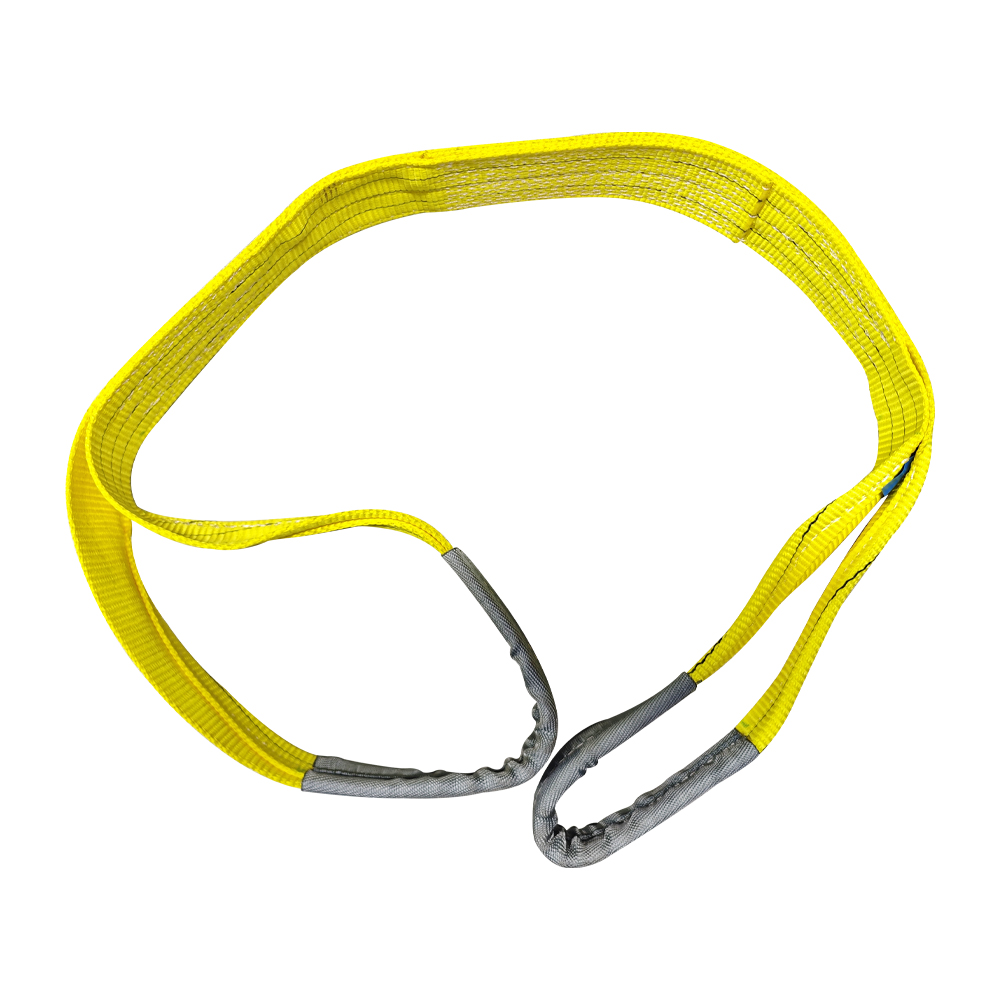
Understanding Eye to Eye Sling Specifications for Wholesale Buyers
For wholesale buyers, understanding the specifications of eye to eye slings is paramount to ensuring quality and safety. Key specifications include the following:
Working Load Limit (WLL): This is the maximum load that the sling can safely lift. It is critical to verify that the WLL aligns with your needs to prevent overloading.
Material Composition: The choice of material affects durability and suitability for different applications. Polyester is often used for general lifting, while high-performance options may require specialty materials.
Eye Configuration: The design of the eyes—whether they are flat, round, or reinforced—can influence the sling's performance and compatibility with hooks or other rigging equipment.
Length and Width: These dimensions should be tailored to the specific lifting needs. Longer slings allow for versatile connections, while wider slings distribute the load more evenly.
Certification: Look for products that comply with ISO and CE certifications, as these standards ensure that the slings have been tested for safety and reliability.
By focusing on these specifications, wholesale buyers can ensure they are sourcing high-quality eye to eye slings that meet their operational requirements.