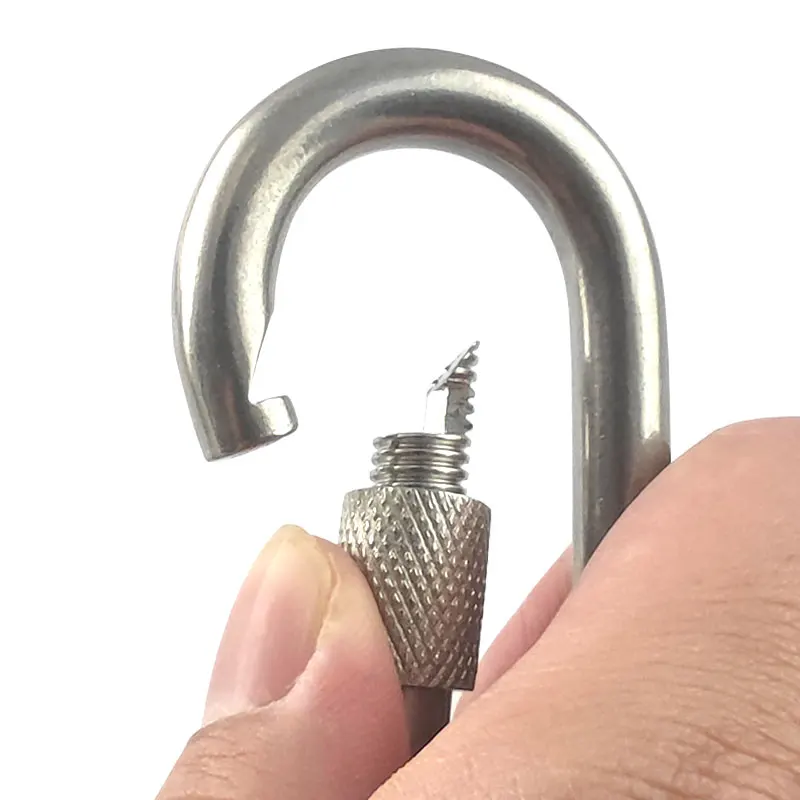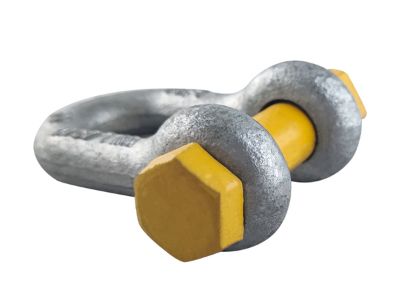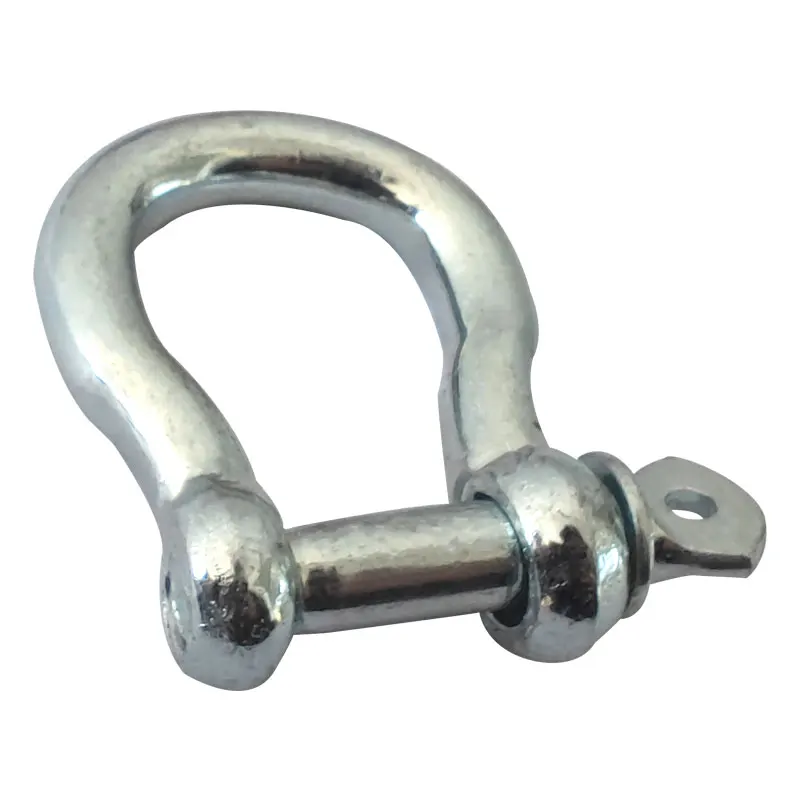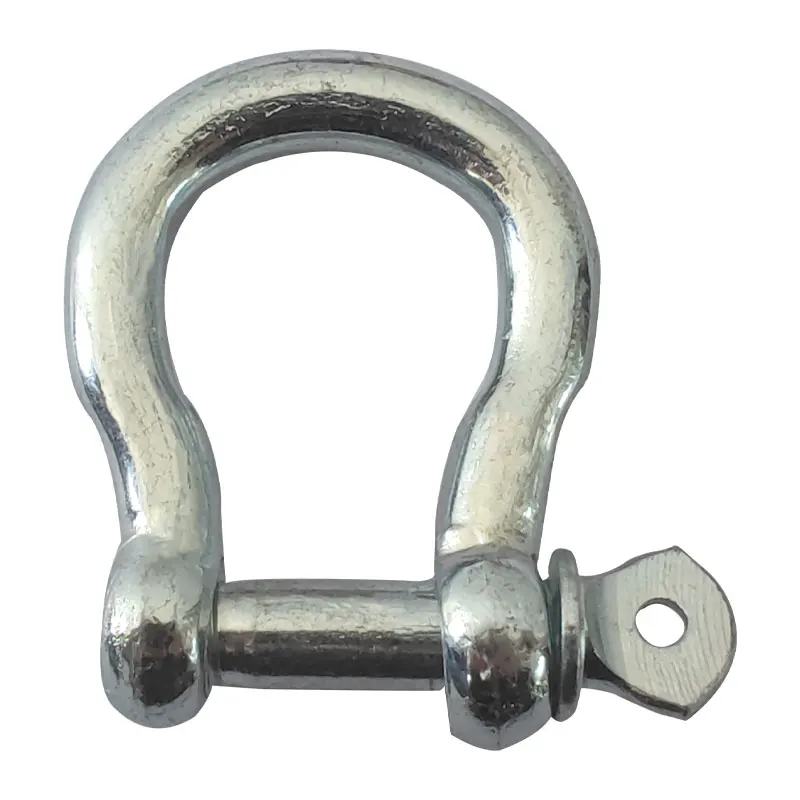
Dropped Ceiling Hooks: Key Specifications and Suppliers

All Categories

dropped ceiling hooks

Dropped  ceiling  hooks are essential  components  used  in  various applications, from installing suspended ceilings  to  securing lighting fixtures and  HVAC  systems.  For  buyers in  manufacturing, construction, or engineering, understanding  the specifications, sourcing options, and  potential issues with dropped ceiling hooks is  crucial for making informed purchasing  decisions. This article will guide you through these considerations, helping you  choose the right products for  your  needs.
Our Products

Where to Find Reliable Suppliers for Bulk Dropped Ceiling Hooks

Where to Find Reliable Suppliers for Bulk Dropped Ceiling Hooks

Finding  trustworthy  suppliers for  bulk dropped ceiling hooks is essential for  ensuring quality and reliability. Here are some strategies to identify reliable suppliers:

Industry Directories: Utilize B2B directories such as ThomasNet or Alibaba to search for manufacturers  that specialize  in dropped ceiling hooks. These  platforms often include company profiles, product catalogs,  and customer reviews.

Trade Shows: Attending industry trade  shows and expos  can provide direct access to manufacturers and suppliers. Events focused on construction, manufacturing, or hardware often showcase  a variety of ceiling hook  products and allow for face-to-face discussions about specifications and pricing.

Networking: Leverage industry contacts and professional networks to  gain recommendations for reputable suppliers. Colleagues or industry peers who have experience purchasing ceiling hooks can provide valuable insights.

Online Research: Conduct thorough online research to evaluate suppliers’ reputations. Look  for certifications  (like CE and ISO) that indicate compliance with international standards. Customer testimonials and case studies can also provide insights into product reliability  and supplier service.

Request Samples: Before placing a bulk order, request samples from potential suppliers. This allows  you to assess the quality of  the hooks firsthand and determine if they meet your specifications.

By employing these strategies, buyers can find suppliers that not only offer competitive pricing  but also  provide high-quality products.
Cost Factors to Consider When Purchasing Dropped Ceiling Hooks Wholesale

Cost Factors to Consider When Purchasing Dropped Ceiling Hooks Wholesale

Understanding the cost factors associated with purchasing dropped ceiling hooks wholesale is critical for budget management. Here are several elements that can affect pricing:

Material Costs: The type  of material significantly influences the cost. For example, steel hooks are generally pricier  than plastic alternatives due to  their strength and durability. If the application requires heavy-duty  hooks, this will  impact the overall budget.

Order Quantity: Many  suppliers offer bulk pricing discounts, which  can reduce per-unit costs when purchasing larger  quantities. Buyers should  assess their project needs to determine the most cost-effective order size.

Customization: Custom designs or additional features (like special coatings or sizes) may incur extra charges. Discuss customization options  with suppliers to understand any potential cost implications.

Shipping and Handling: Freight charges can vary widely based on  the supplier's location and the delivery destination. It’s essential to factor in these costs when comparing  prices from different  suppliers.

Lead Time:  If a  supplier offers faster delivery,  they may  charge a premium for expedited shipping. Buyers should weigh the urgency  of their project against the additional costs involved.

By considering these cost factors, buyers can make informed decisions that align  with their budgets while ensuring they obtain the necessary quality  and specifications.

Common Problems with Dropped Ceiling Hooks and Their Solutions

Common Problems with Dropped Ceiling Hooks and Their Solutions

Dropped  ceiling hooks, while generally reliable, can present challenges  during installation and use. Here are some common problems and their solutions:


Incorrect Load Capacity: One of the most critical  issues is using hooks that cannot support the intended load. To avoid this, always check the load  rating before installation. If  there’s a risk of exceeding the capacity, consider using additional hooks  or upgrading to higher-rated models.

Corrosion Over Time: In humid or chemically aggressive environments, hooks  may corrode, leading to failure. Opt for hooks  with corrosion-resistant coatings or materials to mitigate this risk.  Regular inspections can also help identify early signs  of  wear.

Improper Installation: Incorrect installation can lead to hooks  loosening or detaching from the ceiling. Ensure that installation guidelines from the manufacturer are followed meticulously. Using the right tools and fasteners is  also vital for securing hooks properly.

Compatibility Issues: Sometimes, hooks may not fit well with the ceiling structure or the items being hung. Before finalizing an order, it's advisable to test  samples to confirm compatibility with existing systems.

Aesthetic Concerns: For visible installations, the appearance of hooks may  be a concern. Discuss aesthetic options with suppliers,  such as  color matching or design variations, to ensure they align with the overall project vision.

By anticipating these common issues  and implementing preventive measures, buyers can enhance the reliability and performance of their dropped ceiling hooks.


Application Scenarios for Dropped Ceiling Hooks in Various Industries

Dropped ceiling hooks find applications across multiple industries, showcasing their versatility. Here are some common scenarios:

Construction: In construction projects, dropped ceiling hooks are used to support  suspended ceilings, providing  a clean and professional finish. They are essential  for hanging ceiling tiles and integrating lighting fixtures seamlessly.

Marine Engineering: In marine environments, dropped  ceiling  hooks secure equipment and fixtures, ensuring safety and stability. Hooks made  from corrosion-resistant materials are particularly valuable in these settings.

Transportation: In transportation, such as buses or trains, dropped ceiling hooks are used to  mount  overhead  storage or  lighting. Ensuring they meet the required load specifications is  critical to passenger safety.

Commercial Spaces: Retail  environments often  utilize dropped ceiling hooks for hanging signage or promotional displays.  Their ability to blend with  ceiling designs while providing robust  support makes them ideal for these applications.

Industrial Applications: Factories  and warehouses use dropped  ceiling hooks to suspend heavy equipment,  lighting, and other fixtures from ceilings, maximizing floor space and enhancing operational efficiency. For industrial lifting needs, you might also explore options like Hoisting & Lifting Equipment.

By understanding these application scenarios, buyers can better appreciate the versatility of dropped ceiling hooks and align their specifications with industry-specific  needs.

Key Specifications to Consider When Choosing Dropped Ceiling Hooks

When selecting dropped ceiling hooks, several key  specifications must be considered to ensure they meet your project requirements.

Material: Dropped ceiling hooks are typically made from steel, aluminum, or plastic.  Steel hooks provide high strength and durability, making them  suitable for heavy-duty applications. Aluminum  hooks are lightweight and resistant to corrosion, ideal for environments with moisture. Plastic hooks can be a cost-effective solution for  lighter installations. For those looking for durable options, exploring Steel Wire Rope & Fittings might be beneficial.

Load Capacity: Each  hook has a specific load capacity, which is  crucial for ensuring safety and functionality. When choosing hooks, verify their load ratings and match them with the intended application. Overloading a hook can lead to  failure and safety hazards.

Dimensions: The size of the hook, including its length and  width, should  be compatible with the ceiling structure and the items being hung. Precise dimensions prevent improper fitting, which could lead to installation issues.

Coating: Some  hooks come  with a protective coating, such as zinc plating or powder coating, to enhance corrosion resistance. This is  especially important  in  environments  subject to humidity  or chemical exposure.

Installation Type: Consider whether the hooks are designed for easy installation and removal. Some  hooks feature quick-release mechanisms, while others require more permanent fastening methods.

By understanding these specifications,  buyers  can ensure they select the right dropped ceiling hooks for their specific applications.

Why choose LoadStar dropped ceiling hooks

Professional service team

After the product is produced by 5 16 galvanized chain professional, they will test the product for quality, then package it and deliver it to you.

We own our own factory

The 5 16 galvanized chain of a factory allows businesses to oversee and control the entire production process. This can reduce the cost of production.

We have many years of production experience, products in line with national certification standards

our products have passed ce certification covering g30 g43 g70 g80 5 16 galvanized chain and meet the standards we are committed to providing high quality products that meet international standards to meet the growing needs of our customers our products are used in engineering construction in various countries and they still maintain their strength and quality after many years of use

We company produced are sold to more than 30 countries

the 5 16 galvanized chain of the company are top-quality with complete specifications models they are sold in over 30 countries including china iran pakistan saudi arabia the united arab emirates

Our Blog Posts

Material certifications to request when buying an Industrial Snap Hook

13

Jan

Material certifications to request when buying an Industrial Snap Hook

If you are looking to purchase an industrial snap hook, the first thing that needs to be done is ensure it is suitable for what you need. These are convenient little gadgets, but a few things can go awry if you don’t choose the right one. At times th...
View More
The importance of proof testing a large wide body shackle

02

May

The importance of proof testing a large wide body shackle

Proof testing large wide body shackles is a really important task for safety and reliability. A shackle is actually a connecting device, it is used to link two items like ropes and chains together. If a shackle is used and it breaks while it's under ...
View More
Improving crane safety through proper Lifting shackle selection

28

Apr

Improving crane safety through proper Lifting shackle selection

Safety must come first when working with cranes. One of the biggest aspects of safety is choosing quality lifting shackles. The metal rings attach your crane to what you're lifting and if chosen properly, they could prevent potential accidents or inj...
View More
How the wide body shackle prevents kinking in wire rope

06

May

How the wide body shackle prevents kinking in wire rope

A wide body shakle is a useful tool that use in many industries, particularly for lifting heavy loads. These anchor shackle build special to prevent wire rope twist. Twisting is caused by sharp bend in the wire rope, which cause the rope to beco...
View More