Choosing the Right Chain Links for Your Projects

All Categories

chains links

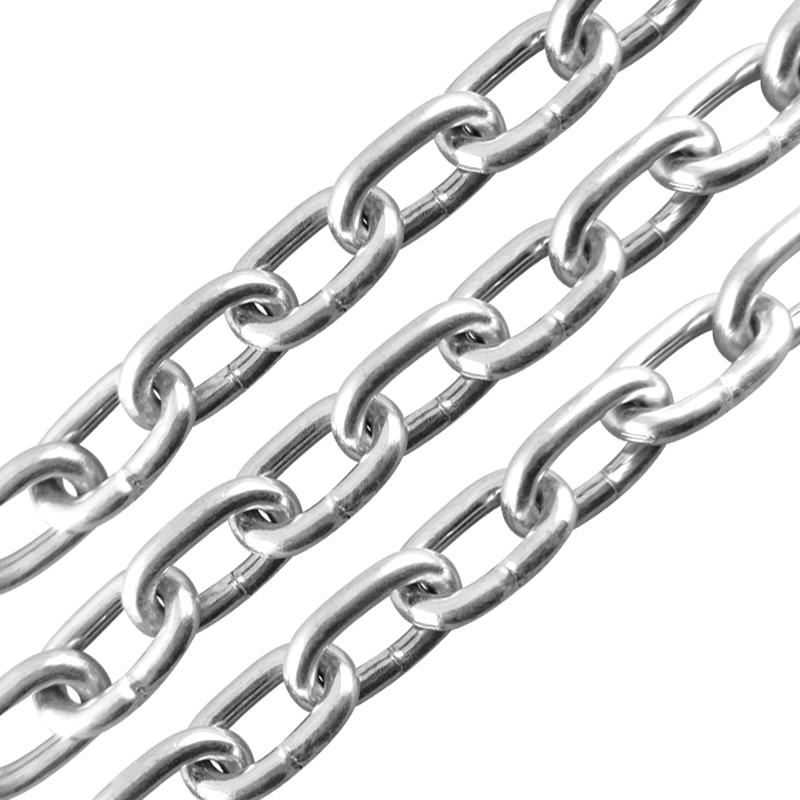
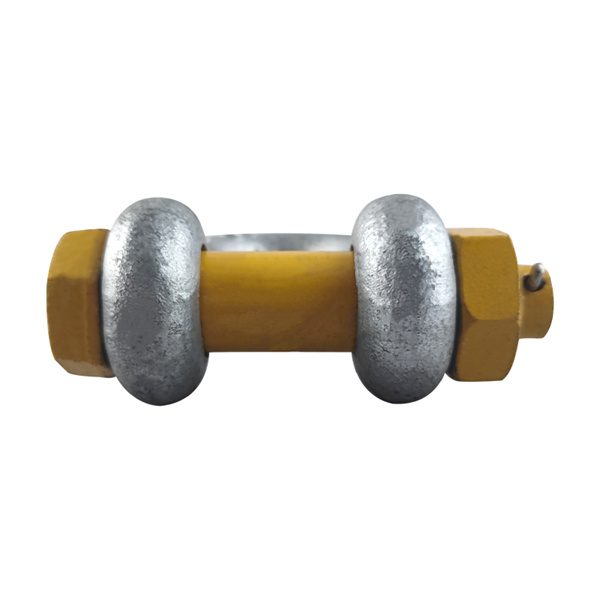
When it  comes  to selecting  the right chain links for  your projects, understanding their  specifications and applications is crucial. Chain links are essential  components in  various  lifting and rigging applications, particularly in industries like construction, marine engineering, and transportation. This article will guide  you through  the factors  to consider when choosing chain  links, sourcing  quality products,  finding reliable  suppliers,  addressing common issues,  and  understanding the  importance  of quality.
Sourcing Quality Products for Your Business

Sourcing Quality Products for Your Business

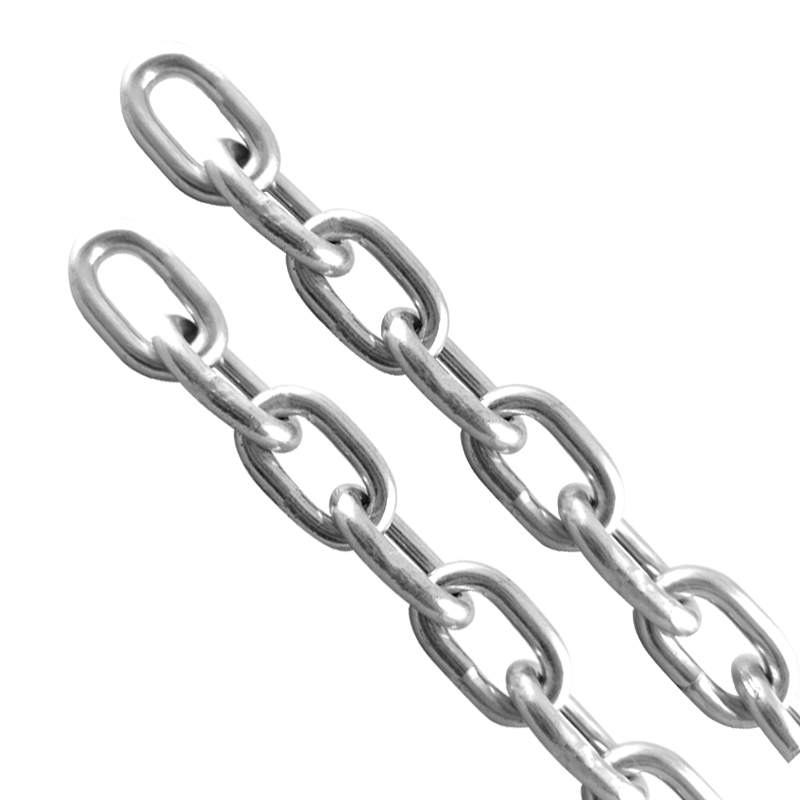
When sourcing  chain links, it's important to establish a clear understanding of your product requirements.  Start by determining  the specifications  you need, such as size, material, and finish. This will help streamline the sourcing process and ensure that potential suppliers can meet your expectations.

Consider the supplier's manufacturing capabilities  and quality  control processes. Reputable manufacturers, like Shandong Lisheng Machinery, utilize advanced production equipment and technology to ensure consistent product quality.  Inquire about their  certifications and quality management systems, as these are indicators of a supplier's commitment to excellence.

Furthermore, evaluate the supplier's track  record  in  your specific industry. A supplier  with experience in manufacturing chain links for  construction or  marine applications, for example, will  have a more in-depth  understanding of the challenges and requirements unique to those fields.

Lastly, consider factors such as minimum order quantities (MOQ) and lead times.  Suppliers should be transparent about their production capabilities and  timelines  to help you plan  your inventory and meet project deadlines.
Where to Find Reliable Suppliers for Chain Links in Your Industry

Where to Find Reliable Suppliers for Chain Links in Your Industry

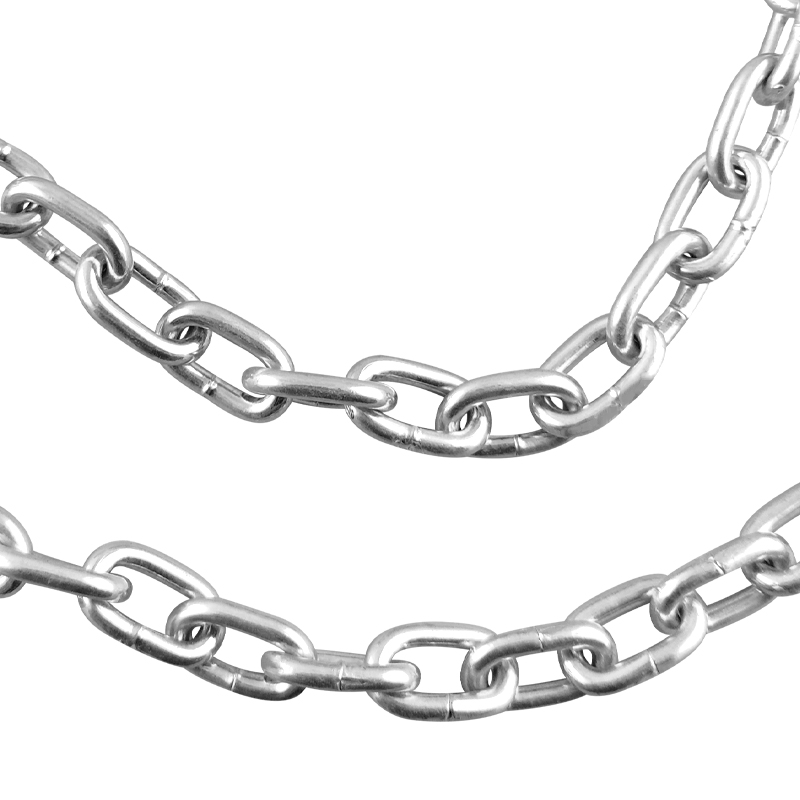
Finding  reliable suppliers for chain links can be achieved through various channels.  Trade shows and  industry conferences are excellent venues for connecting with manufacturers  and distributors. These events  allow you to see products firsthand and discuss your needs directly with suppliers.

Online platforms and  directories can also be valuable resources. Websites that specialize in connecting buyers with manufacturers often provide options  to filter suppliers  by industry, product type, and location. This enables you to find suppliers  that align  with  your specific  requirements.


Networking within industry associations can offer  further insights. Engaging with peers can lead to  recommendations for suppliers who have demonstrated reliability and quality in their products. Additionally, reading  reviews and testimonials  can give you a better understanding  of a supplier's performance and customer service.

Don’t underestimate the value of sample evaluations. Requesting samples allows you to assess the quality and specifications of chain links before placing  larger  orders, ensuring that they meet your project needs.

Common Problems with Chain Links and Effective Solutions

Common Problems with Chain Links and Effective Solutions

While chain links are robust components, they can face issues that impact  their performance. One common problem is wear and tear due to  improper use or lack  of maintenance.  Regular  inspection is essential to identify signs of fatigue, corrosion, or deformation.  Establishing  a maintenance schedule can help  prolong  the lifespan of chain links.


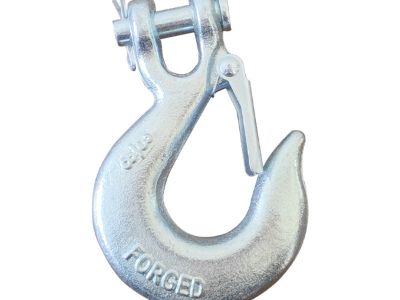
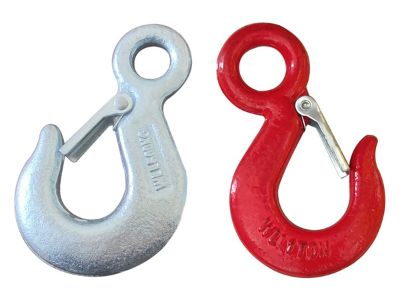
Another issue is compatibility with other rigging components. Buyers  should  ensure that chain links are compatible with hooks, shackles, and other accessories. Mismatched components can lead to unsafe operating conditions. Always consult with the manufacturer or a knowledgeable  supplier  to confirm compatibility before purchasing.

Occasionally, chain links may  not meet the specified load  requirements, leading to potential failure. To mitigate this risk, verify the working load limit  (WLL) for each chain link and ensure that it aligns with your application’s  demands. It’s also prudent  to allow  for a safety margin above the expected load.

If a problem arises with the chain links after purchase, communicate with the supplier immediately. A reputable manufacturer should offer support, whether through replacement, repair, or guidance on proper usage.

Why Quality Matters

Quality is paramount when  it comes to  chain links.  Poor-quality chain links  can lead to failures that not only result in costly downtime but may also pose significant safety risks. In applications where heavy loads are lifted or moved, the consequences of using subpar  chain  links can be dire.

High-quality  chain links are manufactured to meet stringent standards, ensuring they can withstand the rigors of their intended applications. Certifications,  such as CE and  ISO, indicate that the products have undergone rigorous testing and adhere to industry regulations.

Investing in quality chain links  can lead to long-term cost savings. While cheaper options may seem appealing, they often require more frequent replacement  and can lead to increased maintenance  costs.  A reliable supplier will provide chain links that offer durability and performance, ultimately leading to greater efficiency and safety in operations.

understanding how  to select, source, and  evaluate  chain links is crucial for any business involved in lifting and rigging applications. By prioritizing  quality and reliability, you  can  ensure  that your projects operate smoothly and safely.

How to Choose the Right Chain Links for Your Project Needs

Selecting the appropriate  chain links requires careful consideration of several factors,  including load capacity, material, and  application  specifics. First, assess the load requirements. Each chain  link has a specified working load limit (WLL)  that must be adhered to in order to  ensure safety and efficiency. Overloading chain links can lead to catastrophic failure.


Material choice is another critical factor. Common materials for chain links include carbon steel and alloy steel, each  offering different strength and corrosion resistance  levels. For instance, stainless steel  chain links are ideal for marine applications due to their superior resistance to rust and  degradation.

Additionally, consider  the environment in which the chain links will be  used. Factors such  as temperature extremes, exposure to chemicals, and moisture levels can affect the performance of the chain.  For  example, in high-moisture environments, opting for galvanized or stainless  steel chain links can  prolong service life.

Finally, verify that the chain links meet relevant industry standards and certifications, such as CE or ISO. This ensures that the products have undergone rigorous testing and quality control  processes, which is especially vital in safety-critical applications.

Why choose LoadStar chains links

We own our own factory

A Chain link galvanized owned by the owner ensures that every link between raw materials and the finalization of the product can be controlled. Owned factories allow companies to directly oversee and control the manufacturing process, thereby cutting production costs in a more efficient manner.

We company produced are sold to more than 30 countries

the products offered by the company are high-end with complete specifications models they are sold in over 30 countries includes china 4 leg wire rope sling pakistan saudi arabia the united arab emirates

We have many years of production experience, products in line with national certification standards

our products have passed ce wire rope sling covering g30 g43 g70 g80 g100 and meet the standards we are committed to providing high quality products that meet international standards to meet the growing needs of our customers our products are used in engineering construction in various countries and they still maintain their strength and quality after many years of use

Professional service team

Once the product has 4 leg wire rope sling created, professional personnel will inspect it for quality, pack it, and then deliver it to you.

Our Blog Posts

How Does a Snap Hook Enhance Safety in Rigging Operations?

29

Mar

How Does a Snap Hook Enhance Safety in Rigging Operations?

When it comes to rig everything, the right tool makes a world of difference. The snap hook is a crucial accessory that keeps the load secure. Even though snap hooks are tiny components, they play an essential role in ensuring overall operational reli...
View More
What Are the Safety Standards for Using Wire Rope in Lifting?

07

Apr

What Are the Safety Standards for Using Wire Rope in Lifting?

Wire rope is used to lift heavy objects under controlled safe conditions. The following manual for safety rules is very important when working with wire rope. In this article, we will explore why safety guidelines are essential when wire rope is invo...
View More
Impact of steel price fluctuations on Industrial Snap Hook procurement

13

Jan

Impact of steel price fluctuations on Industrial Snap Hook procurement

Steel prices fluctuate quite a bit, and this impacts many industries. One such product that is subject to these modifications is the industrial snap hook. Our company, LoadStar works with steel to create strong snap hooks which are suitable for can u...
View More
How to find a certified Lifting shackle manufacturer for offshore projects

27

Apr

How to find a certified Lifting shackle manufacturer for offshore projects

Finding a reliable and quality lifting shackle maker is crucial for any offshore job. It’s important to know that your lifting shackles will not fail under the extreme conditions, and a qualified supplier is your first line of defense. LoadStar is ju...
View More