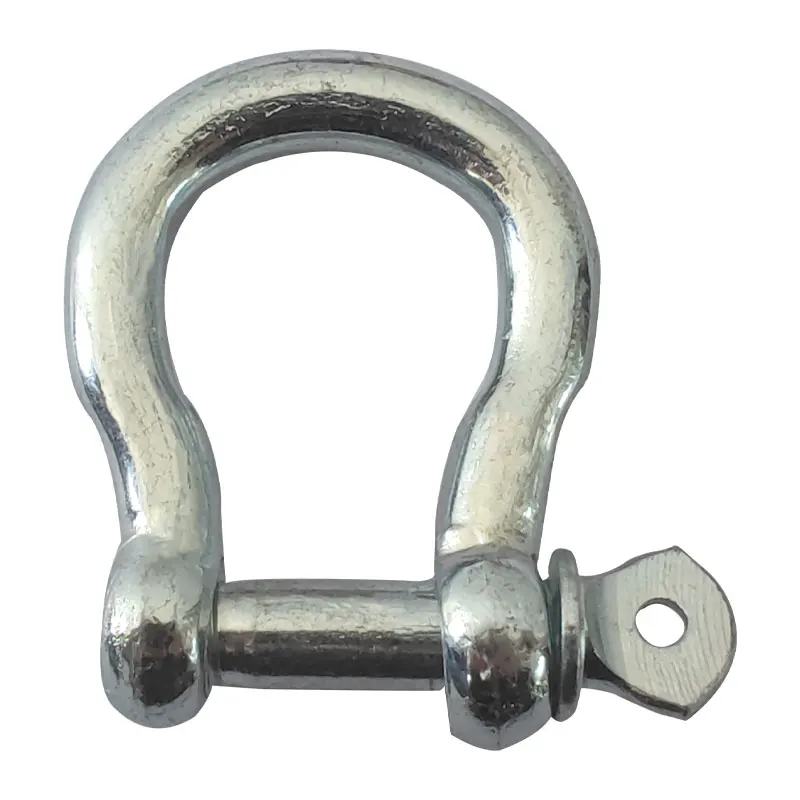
Choosing the Right Chain Rigging for Your Project

All Categories

chain rigging

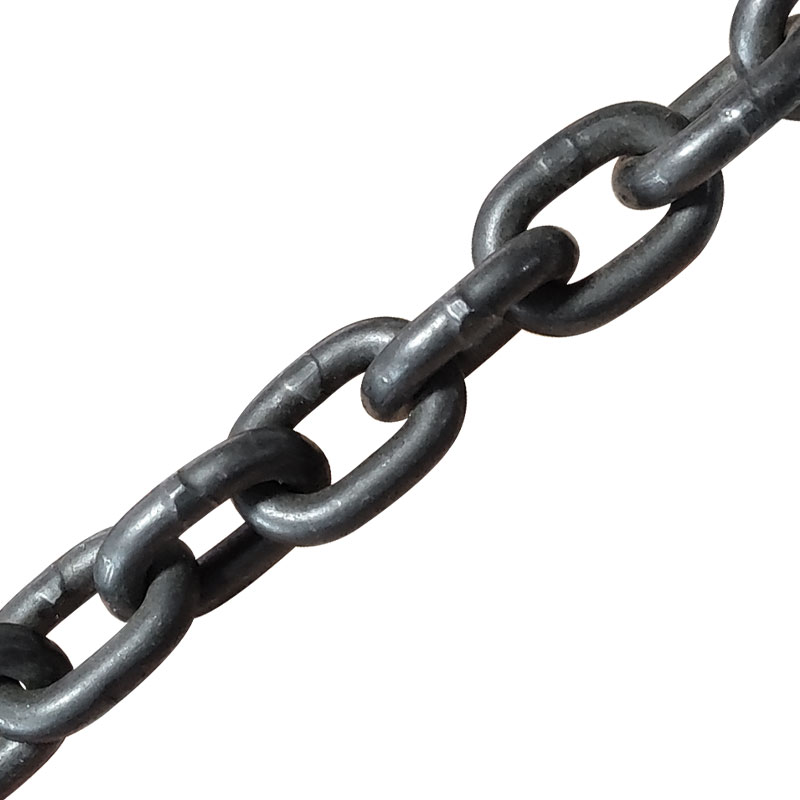
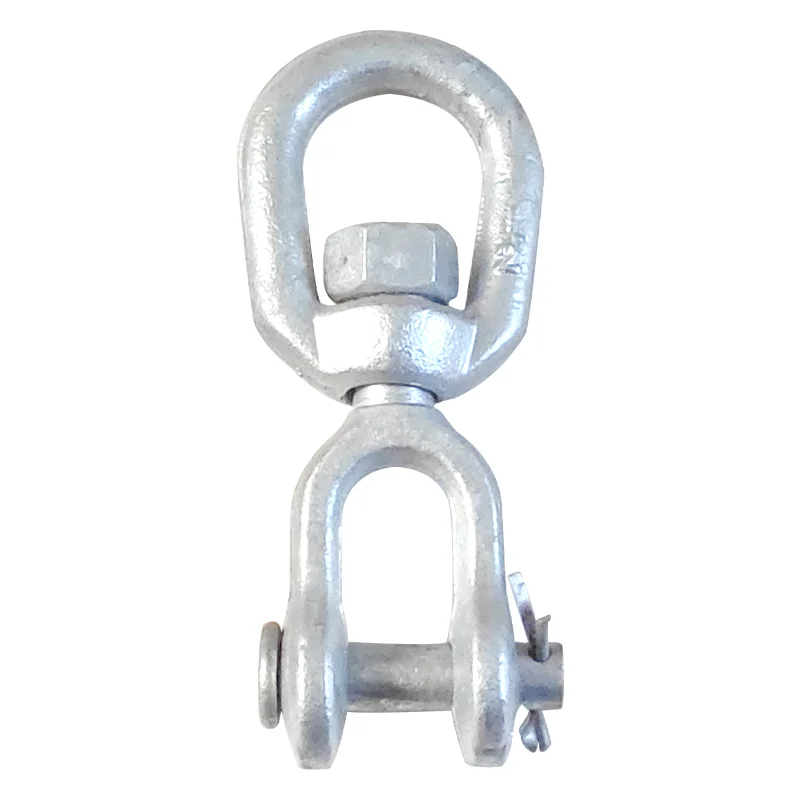
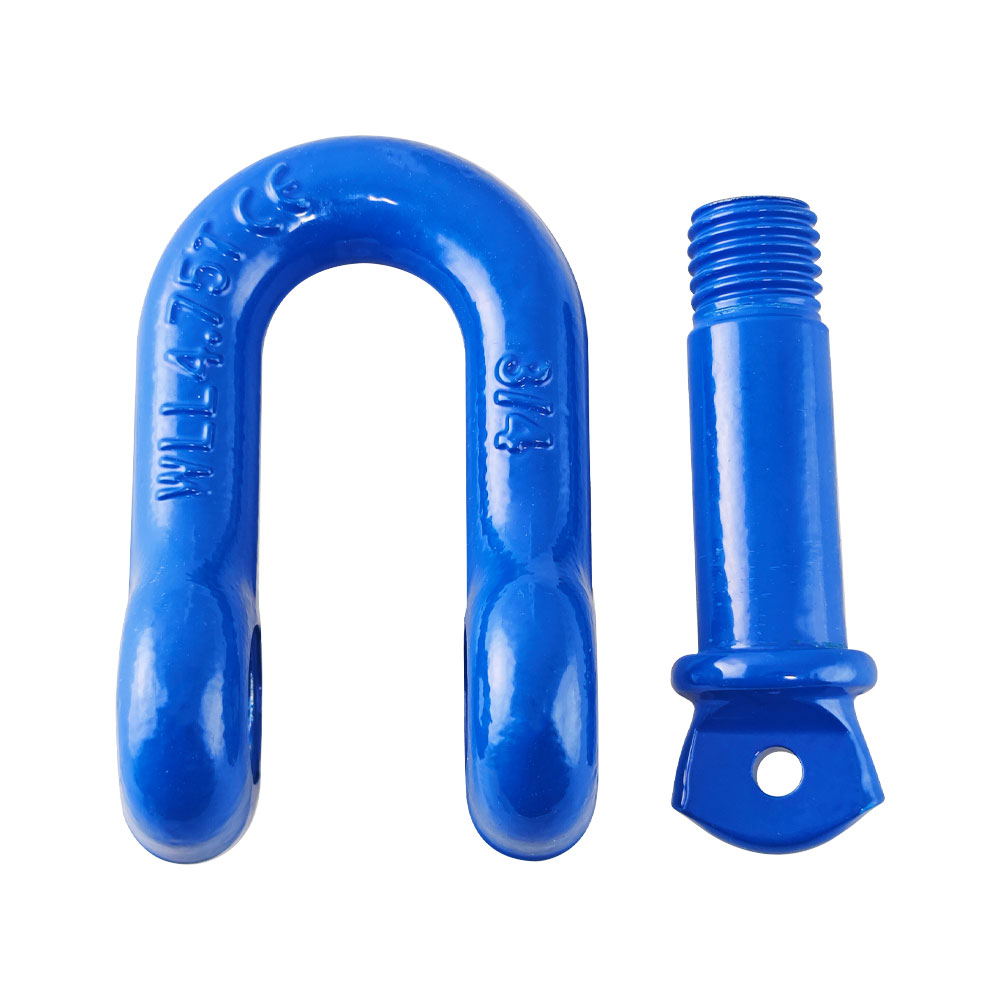
Choosing the right chain rigging  is crucial for ensuring safety and efficiency in  various applications,  particularly  in  construction, marine engineering, and transportation. Chain rigging encompasses a variety of  lifting equipment used  to  secure and  lift loads, making it essential for purchasing  managers and  engineers to understand  the specifications and capabilities  of different rigging options. ,  we will explore key  considerations for selecting  chain  rigging, maximizing cost efficiency,  addressing common issues,  evaluating strength and durability, and  ensuring the trustworthiness of suppliers.
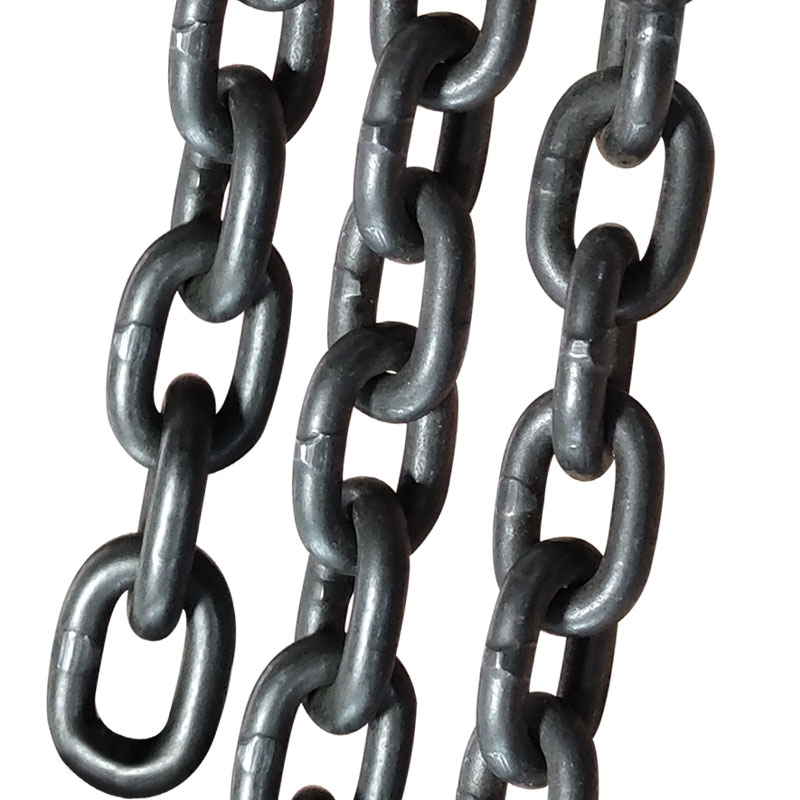
Maximizing Cost Efficiency for Chain Rigging

Maximizing Cost Efficiency for Chain Rigging

Cost  efficiency in chain rigging can  be achieved through several strategies. First, buyers  should conduct thorough  market research to compare prices from various suppliers. This involves requesting detailed quotations that outline not just the unit price  but also shipping costs,  lead times, and possible  bulk order discounts.


Another way to maximize cost efficiency is by considering the total cost of ownership rather  than just the  purchase price. Factors such as maintenance, durability, and the frequency of replacement should be part of the  decision-making process. For example, investing in  higher-quality, durable  chains may lead to lower overall costs since they tend to require  less frequent replacement and maintenance.


Additionally, buyers can  streamline procurement processes by establishing long-term relationships with trustworthy  suppliers like Shandong Lisheng Machinery, which can lead to  better pricing and service agreements. By  clearly communicating project needs and maintaining open lines of communication, buyers can optimize their sourcing strategy  for chain rigging.
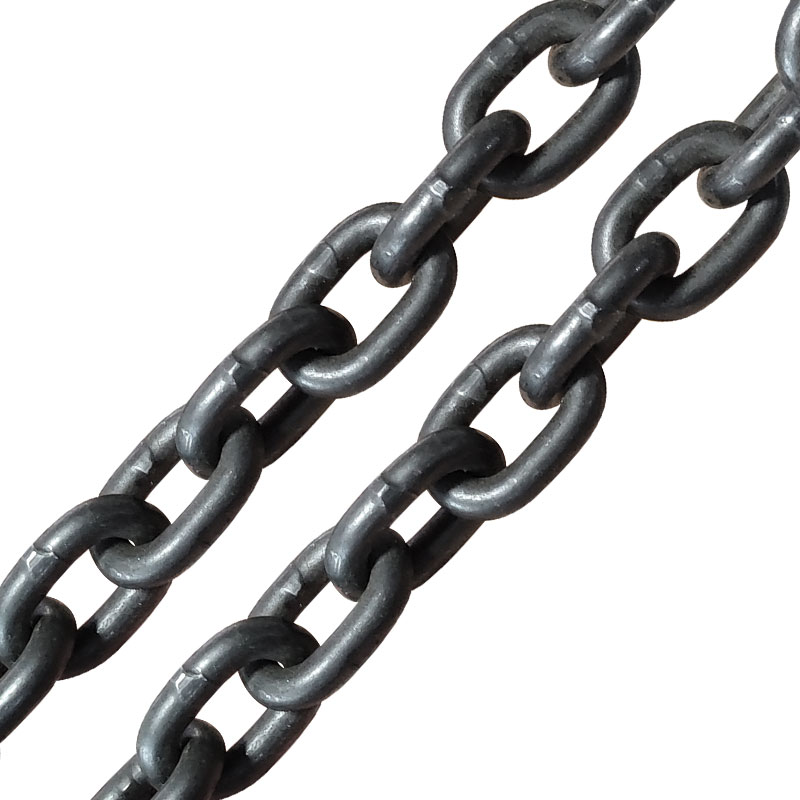
Common Problems with Chain Rigging and Effective Solutions

Common Problems with Chain Rigging and Effective Solutions

While chain rigging  is essential for lifting and securing loads, several common  problems may  arise during its use.  One  frequent issue  is wear and  tear, which can compromise the rigging's integrity. Regular inspection is critical; buyers should  implement a routine maintenance  schedule that includes checking for  signs  of elongation, corrosion, or deformation.

Another  potential problem is improper rigging techniques, which can lead  to accidents and equipment damage. Providing training for staff on safe rigging practices can mitigate this risk. Additionally,  using the right size and type of chain for  the load is crucial; mismatched equipment  can lead to failure.

If issues do arise, having a clear process for addressing them is essential.  This includes having a qualified technician conduct inspections and repairs, rather than relying  on untrained personnel. Establishing a protocol for reporting and  addressing rigging problems will enhance safety and  operational efficiency.

Strength and Durability Factors

Strength and Durability Factors

The  strength and  durability  of  chain rigging are paramount for ensuring safety and reliability. Key  specifications to evaluate include the chain's grade, which indicates  its tensile strength, and the material used in  its construction. For example, grade 80 chains are often used in overhead lifting due to their high strength-to-weight ratio, while grade 100 chains  offer even greater strength and are ideal  for more demanding applications.

Durability factors also include resistance to environmental conditions, such as moisture, temperature fluctuations, and exposure to chemicals. Buyers should ensure that the chains and accessories are appropriately  treated or coated  to enhance their  resistance to corrosion and wear, especially in  marine or  industrial environments.

In addition, understanding the  load distribution is  vital. Uneven loads can create stress points that  lead to premature failure.  Properly  securing loads and ensuring even weight distribution will enhance the longevity of the  rigging.

Ensuring Supplier Trustworthiness

Selecting a reliable supplier  is crucial for ensuring the quality and performance of chain rigging. When evaluating potential suppliers, buyers should consider several factors. First, check for relevant certifications, such as CE and ISO, which indicate adherence to  international quality standards.

Next, assess  the supplier's manufacturing capabilities. A supplier like  Shandong Lisheng Machinery, known for its advanced production equipment and technology, can provide assurance of quality and consistency. Inquire about  their quality control processes, including how they test materials and  finished products for compliance with specifications.


Finally, consider  the supplier's  reputation in the industry. Reading reviews, seeking recommendations, and requesting references  can  provide  insights into their reliability and customer service. Establishing a partnership with  a trustworthy supplier not only ensures high-quality products but  also fosters long-term business  relationships that  can lead to better pricing and service.

By understanding these factors, buyers  can  approach the procurement of chain rigging with confidence, ensuring they select products that meet their specific needs while also fostering relationships  with reputable suppliers.


Choosing the Right Chain Rigging for Your Project Needs

Selecting the appropriate chain rigging  for a project begins with understanding the specific requirements of  the application. Factors such  as load capacity, chain material, and environmental conditions play  a significant  role. For example, high-strength carbon steel chains are commonly used  for heavy lifting due to their durability and  resistance to wear, while stainless steel chains may be preferred in marine environments to resist  corrosion.

Buyers  should determine  the maximum load weight and consider the safety factor—typically between 5:1 and 10:1, depending on  the  application. It's  also essential to evaluate the rigging’s compatibility with existing equipment  and whether any customization is needed. For instance, if the project requires  specialized fittings or lengths, ensure that the supplier can accommodate these requests.

Additionally, consider  the working environment. If the rigging will be exposed to harsh chemicals or extreme temperatures, selecting materials that can withstand such conditions is crucial.  Understanding  these requirements will help buyers  make informed decisions and ensure safe  and efficient operations.

Why choose LoadStar chain rigging

We own our own factory

A factory is a place 2 leg wire rope sling companies to control and manage the entire process of production. This helps reduce production costs.

We company produced are sold to more than 30 countries

the products hot dipped galvanized chain by the company are high-end that come with full specifications designs they are sold in over 30 countries including china iran pakistan saudi arabia the united arab emirates

Professional service team

When you make an wire rope sling with hook, our skilled service staff can customise products to meet your requirements and, after the completion of production our professional team is available for product quality inspection packaging, delivery and quality inspection to ensure your satisfaction.

We have many years of production experience, products in line with national certification standards

our products have passed ce certification covering 3 8 galvanized chain g43 g70 g80 g100 and meet the standards we are committed to providing high quality products that meet international standards to meet the growing needs of our customers our products are used in engineering construction in various countries and they still maintain their strength and quality after many years of use

Our Blog Posts

Top 3 Wholesale Supplier for mariner chain link

19

Sep

Top 3 Wholesale Supplier for mariner chain link

From grand seafaring adventures to practical industrial applications, the mariner chain link is central to a diverse range of contexts. Whether you require bulk quantities for huge projects or seldom need to stock up, a wholesale provider should be t...
View More
The Top 5 Features to Look for in a Heavy-Duty Industrial Snap Hook

25

Oct

The Top 5 Features to Look for in a Heavy-Duty Industrial Snap Hook

If you’re in need of a heavy-duty industrial snap hook for your next project, there are the five features you need to be looking for in order to find best possible product for the job. LoadStar – the brand you know and trust for high-quality snap hoo...
View More
Sourcing high volume wide body shackle orders for heavy industry

27

Apr

Sourcing high volume wide body shackle orders for heavy industry

Wide body shackles is important tools in heavy industry. They help lift and secure big loads, making sure all safe during transport and construction work. At LoadStar, we understand the vital role that wide body shackles play in various fields, from ...
View More
How the wide body shackle prevents kinking in wire rope

06

May

How the wide body shackle prevents kinking in wire rope

A wide body shakle is a useful tool that use in many industries, particularly for lifting heavy loads. These anchor shackle build special to prevent wire rope twist. Twisting is caused by sharp bend in the wire rope, which cause the rope to beco...
View More