 EN
EN
 AR
AR
 BG
BG
 HR
HR
 CS
CS
 DA
DA
 NL
NL
 FI
FI
 FR
FR
 DE
DE
 EL
EL
 HI
HI
 IT
IT
 JA
JA
 KO
KO
 NO
NO
 PL
PL
 PT
PT
 RO
RO
 RU
RU
 ES
ES
 SV
SV
 TL
TL
 IW
IW
 ID
ID
 LT
LT
 SR
SR
 SL
SL
 SQ
SQ
 HU
HU
 TH
TH
 TR
TR
 FA
FA
 AF
AF
 MS
MS
 HY
HY
 AZ
AZ
 BN
BN
 SO
SO
 KK
KK
When selecting a boat anchor with chain, understanding the various components and specifications is crucial for ensuring safety and efficiency in marine applications. This article will address key considerations that purchasing managers, engineers, and product managers should keep in mind when sourcing these products. We will explore how to choose the right anchor, important specifications, sourcing strategies, common issues, and installation guidance. This information aims to help you make informed purchasing decisions and optimize the performance of your marine equipment.
Key Specifications to Consider for Boat Anchors with Chain
When selecting a boat anchor with chain, several key specifications must be evaluated to ensure compatibility and performance:
Material Quality: Look for anchors made from high-strength materials to withstand the marine environment. Options like galvanized steel or stainless steel offer enhanced durability and corrosion resistance.
Dimensions: The anchor's dimensions should correspond with your boat's size and intended anchoring conditions. Consider both the length and width of the anchor flukes, as these affect how well the anchor penetrates the seabed.
Load Capacity: Check the load capacity of both the anchor and the chain. This information is often provided by manufacturers and should match or exceed the expected holding requirements based on your boat's weight and environmental conditions.
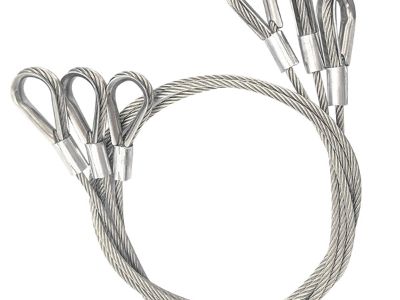
Chain Link Design: The design of the chain links can impact performance. Opt for a chain with a reduced profile to minimize drag underwater, which can enhance holding power. Incorporating Steel Wire Rope & Fittings can also improve your overall anchoring efficiency.