 EN
EN
 AR
AR
 BG
BG
 HR
HR
 CS
CS
 DA
DA
 NL
NL
 FI
FI
 FR
FR
 DE
DE
 EL
EL
 HI
HI
 IT
IT
 JA
JA
 KO
KO
 NO
NO
 PL
PL
 PT
PT
 RO
RO
 RU
RU
 ES
ES
 SV
SV
 TL
TL
 IW
IW
 ID
ID
 LT
LT
 SR
SR
 SL
SL
 SQ
SQ
 HU
HU
 TH
TH
 TR
TR
 FA
FA
 AF
AF
 MS
MS
 HY
HY
 AZ
AZ
 BN
BN
 SO
SO
 KK
KK
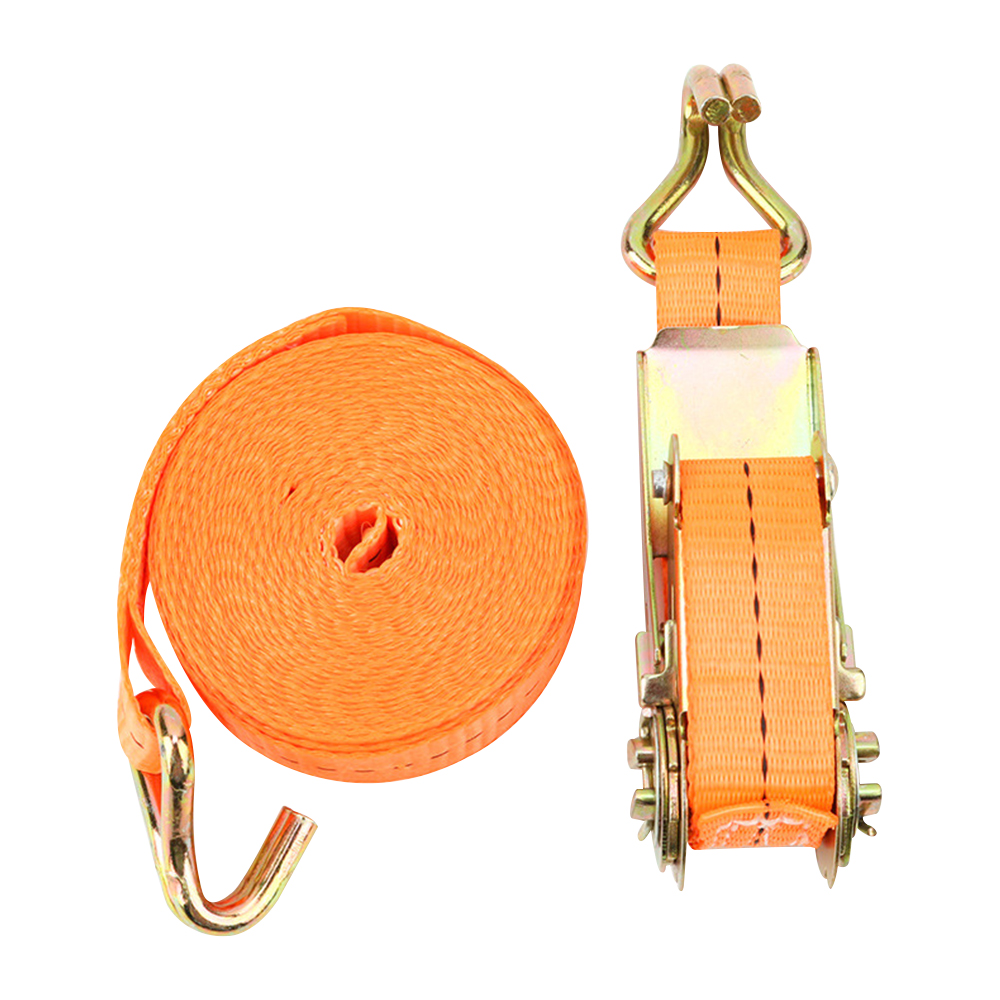
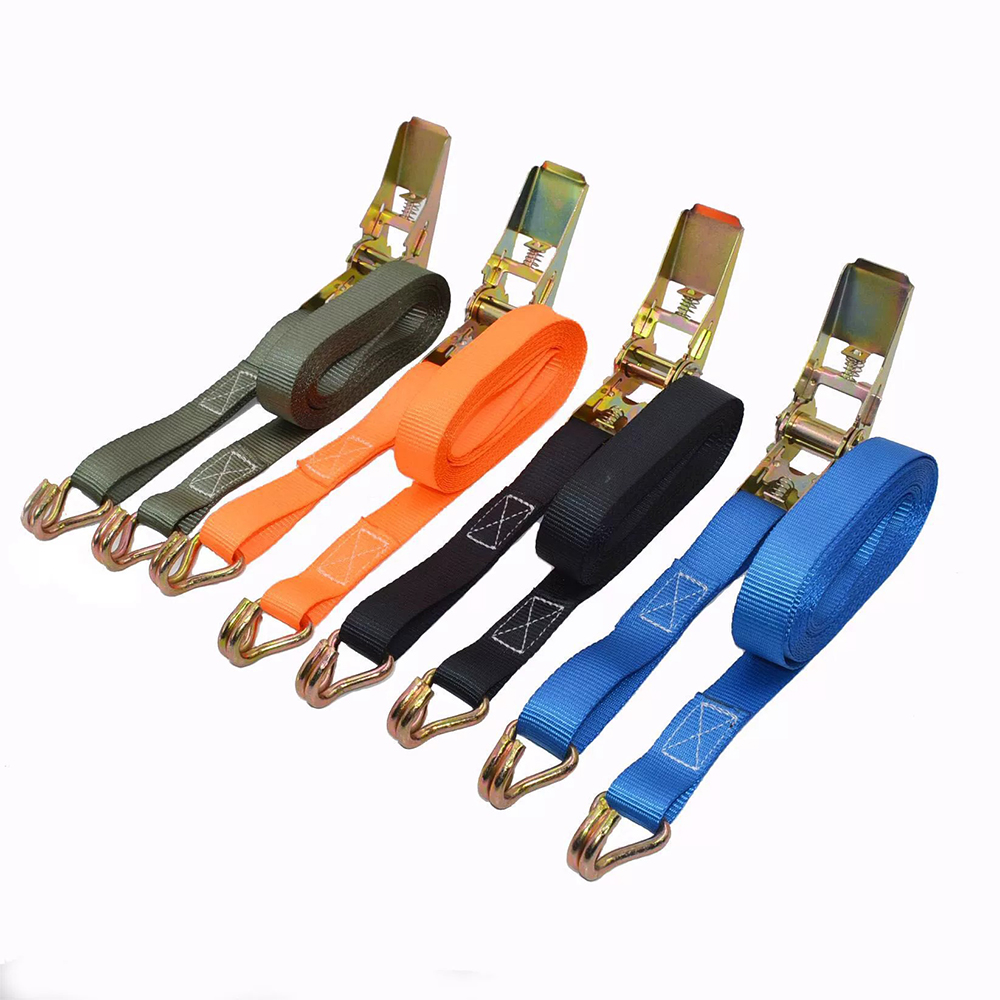
Automatic ratchet straps are essential tools in various industries, providing secure and efficient load securing solutions. For purchasing managers, distributors, and engineers, understanding the nuances of these products is critical for selecting the right options for construction, marine engineering, or transportation projects. This article will delve into key considerations when choosing automatic ratchet straps, highlight important specifications, provide installation tips, and discuss how to choose reliable suppliers. Additionally, it's important to consider the types of Lifting Webbing Slings & Tie Downs that may complement your load securing systems.
Key Specifications to Consider
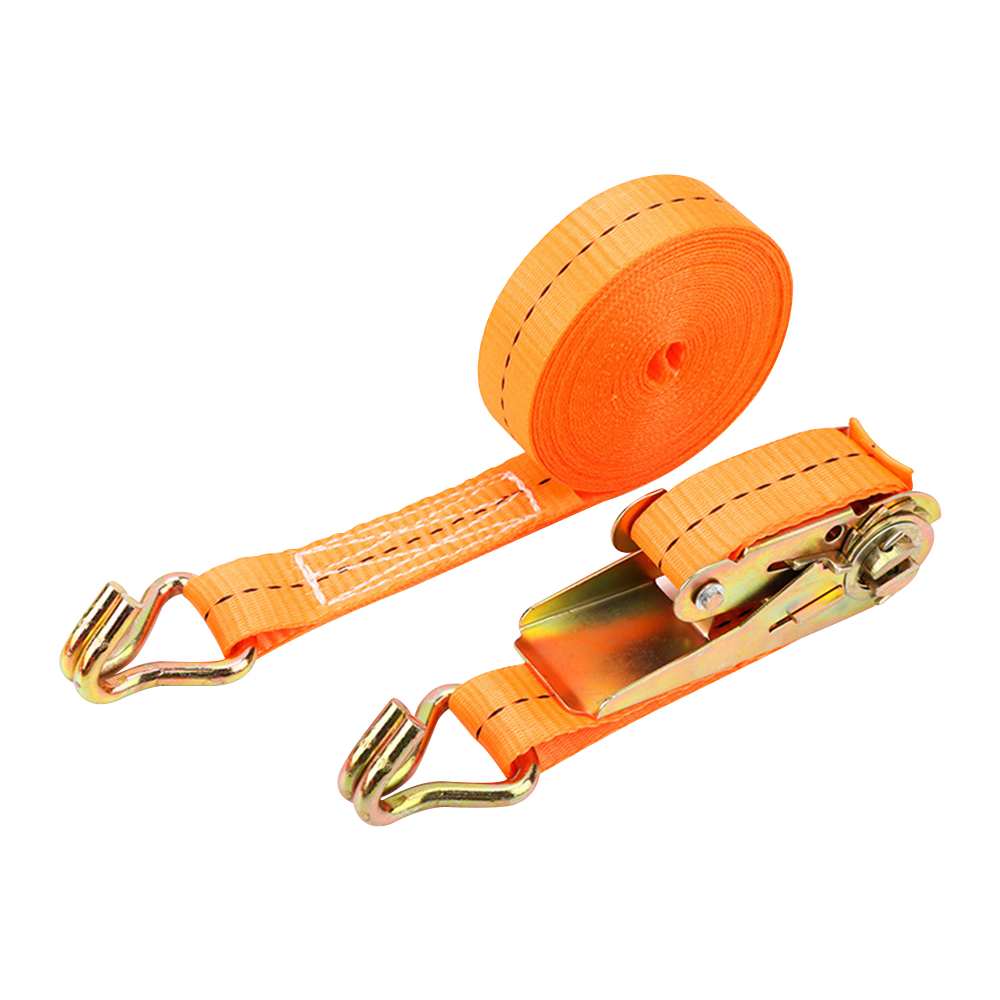
When evaluating automatic ratchet straps, several specifications should be prioritized:
Load Capacity: This refers to the maximum weight the strap can safely secure. Ensure this is well above the weight of your load to maintain safety margins.
Material: Common materials include polyester and nylon. Polyester offers UV resistance and low stretch, making it ideal for outdoor applications. Nylon, while stronger, can absorb moisture, impacting its performance in wet conditions.
Width and Length: The width of the strap affects its load distribution capabilities. Wider straps distribute pressure better, reducing the risk of damage to the load. Length should be chosen based on the size of the load and the securing method.
Ratchet Mechanism: The construction of the ratchet should be robust and easy to operate. Look for mechanisms that allow for quick tension adjustment.
Understanding these specifications will help you choose ratchet straps that meet your operational needs while ensuring safety and efficiency.