 EN
EN
 AR
AR
 BG
BG
 HR
HR
 CS
CS
 DA
DA
 NL
NL
 FI
FI
 FR
FR
 DE
DE
 EL
EL
 HI
HI
 IT
IT
 JA
JA
 KO
KO
 NO
NO
 PL
PL
 PT
PT
 RO
RO
 RU
RU
 ES
ES
 SV
SV
 TL
TL
 IW
IW
 ID
ID
 LT
LT
 SR
SR
 SL
SL
 SQ
SQ
 HU
HU
 TH
TH
 TR
TR
 FA
FA
 AF
AF
 MS
MS
 HY
HY
 AZ
AZ
 BN
BN
 SO
SO
 KK
KK
Anchor chain links are essential components in various industries, providing reliable connections in lifting and rigging applications. As a B2B buyer, sourcing high-quality anchor chain links involves understanding their specifications, materials, and applications to ensure you meet your operational requirements. , we will explore the key considerations for purchasing anchor chain links, helping you make informed decisions that support your business needs.
Key Specifications to Consider for Anchor Chain Links
When evaluating anchor chain links, several key specifications should be prioritized:
Material : The most common materials for anchor chain links are carbon steel and stainless steel. Carbon steel offers high strength and durability, making it suitable for heavy lifting applications, while stainless steel is resistant to corrosion and is ideal for marine environments.
Size and Dimensions: The diameter of the chain links significantly affects their load-bearing capacity. Ensure that the dimensions align with your application requirements to avoid underperformance.
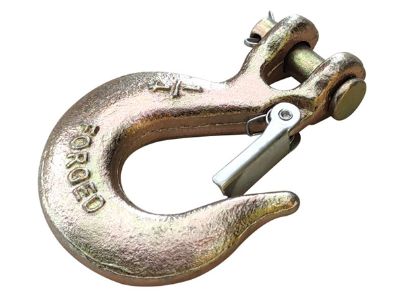
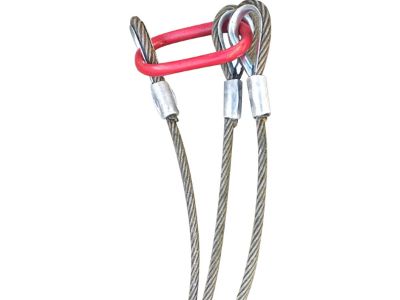
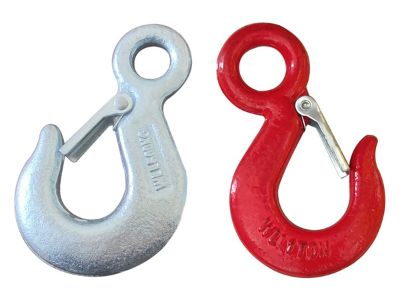
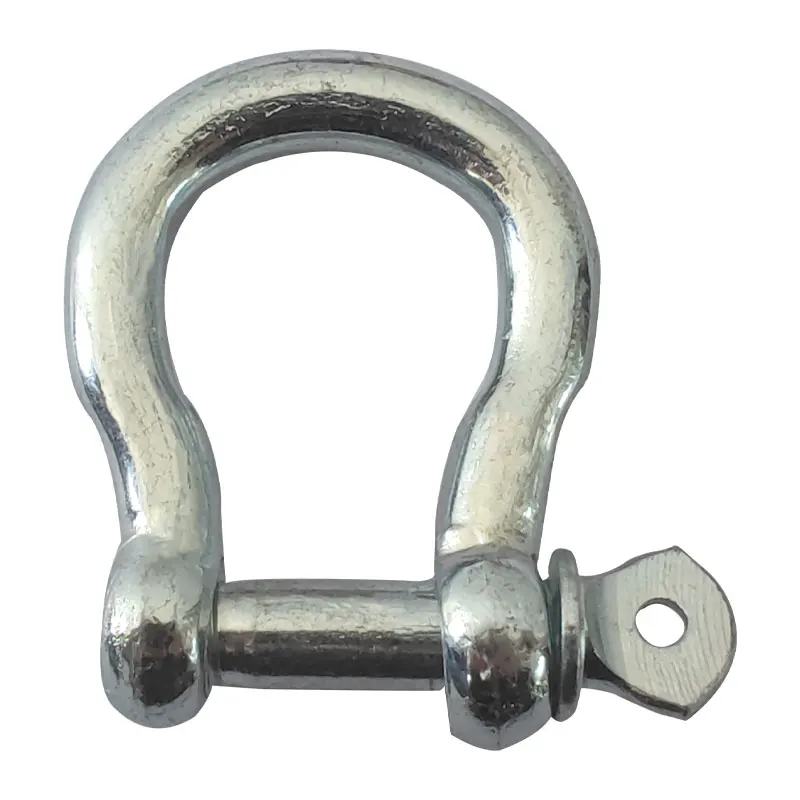
Grade: Chains are categorized into different grades based on their strength and intended use. Higher grade chains, such as Grade 80 or Grade 100, provide superior strength and are often used in heavy-duty applications. For those looking for high-strength options, consider exploring G80/G100 Lifting Rigging that meet stringent lifting requirements.
Finish: The surface treatment of the chain links can impact their resistance to wear and corrosion. Options include hot-dip galvanization or powder coating, which enhance the durability of the chains in harsh environments.
Understanding these specifications will help you select anchor chain links that meet your lifting and rigging needs while ensuring safety and reliability.