Evaluating Anchor and Chain Quality for B2B Buyers

All Categories

anchor and chain

Anchor and chain products are  essential components in various industries,  including construction,  marine engineering,  and transportation. B2B buyers, such as purchasing  managers, distributors, and engineers, often face challenges  in  selecting  high-quality products that meet  their specific applications. This article  aims to provide practical insights into evaluating  anchor  and  chain products, sourcing  reliable suppliers, understanding specifications,  addressing  common problems, and installation  tips  for  diverse  applications.

Where to Source Reliable Anchor and Chain Suppliers

Identifying trustworthy suppliers for anchor and chain products is crucial for ensuring consistent quality and  service. Here are some strategies  to source reliable suppliers:

Industry Associations and Trade Shows: Joining  industry associations or attending trade shows can connect buyers with reputable manufacturers and suppliers. These  events provide opportunities to meet suppliers in person, evaluate their products, and discuss  specific needs.

Online Marketplaces  and Directories: Platforms like Alibaba, ThomasNet, and industry-specific directories can  help  buyers identify potential suppliers. It’s essential to verify supplier credentials and request references or case studies to gauge their reliability.

Networking: Leveraging professional networks, such as LinkedIn, can facilitate introductions to reputable manufacturers. Engaging with peers  in the industry can provide recommendations  based  on firsthand experiences.

Requesting  Sample Products: Before finalizing a supplier, consider requesting samples  of their anchor and  chain products. This allows buyers  to evaluate the  quality, material, and overall performance before placing larger orders.

Assessing Production Capabilities: Ensure that the supplier has the necessary production capabilities to meet your volume requirements. Inquire about their lead times,  minimum order quantities (MOQ), and  customization options to align with your business needs.
Specifications to Consider When Purchasing Anchor and Chain

Purchasing  anchor and chain products requires  careful consideration of several specifications to ensure suitability for  the intended application:

Load Capacity: The  load capacity of the anchor  and chain is critical. Buyers should evaluate the maximum load that the chain  can  handle, as well as the holding power of the anchor based on the expected conditions.

Chain Diameter  and Length: The diameter of the  chain link impacts its  strength and flexibility. A  thicker chain typically offers higher load capacity but may be less flexible. Additionally, the length of the chain should be suitable  for the intended use, whether for mooring boats or lifting heavy loads.

Anchor Type: There are various types of anchors (e.g., fluke, plow,  and grapnel), each  designed for specific seabed conditions. Buyers should consider  the environment in which the anchor will be used to select the most effective type.

Resistance to Corrosion: For marine applications, the anchor and chain must provide adequate resistance to corrosion. Stainless steel or galvanized finishes can  enhance durability in harsh environments. Products such as LASHING CHAIN can also be beneficial in these contexts.

Certification  Compliance: Ensure that the products meet necessary industry certifications, as these signify adherence to quality and safety  standards.

Common Problems with Anchor and Chain and Their Solutions

Buyers should be aware of common issues associated with anchor and chain products, along with potential solutions:

Corrosion: Over time, chains and anchors can corrode, especially in marine environments. To mitigate  this, consider products with  corrosion-resistant coatings  or regularly  inspect and maintain equipment.

Wear and Tear: Frequent use may lead to  wear, which can compromise performance. Implementing a routine inspection schedule  can help identify wear early, allowing  for timely replacement.

Load Failure: Using anchors and  chains  beyond their load capacity can lead to failure.  Always verify load ratings and ensure that the  specifications match the intended application.

Improper Installation: Incorrect  installation can hinder performance. Buyers should follow manufacturer guidelines  and consider professional  assistance  for critical applications.

Compatibility Issues:  Ensure  that the anchor and chain  are  compatible with the equipment they will be used with. Mismatched components can lead to operational inefficiencies.

Installation Tips for Anchor and Chain in Various Applications

Proper installation of anchor and chain products is vital for optimal performance. Here are some tips for successful installation in various applications:

Marine Applications: When using anchors in marine settings, ensure  that the anchor is correctly sized  for  the vessel and the seabed conditions. Utilize appropriate techniques  for setting the anchor to ensure maximum holding power.

Construction Sites: For lifting applications, make sure that the chain is properly secured to the lifting equipment. Verify that all connections are tight and that the load is evenly  distributed.

Regular Inspections: After installation, conduct regular  inspections to check for  signs of wear, corrosion, or  any other issues  that could impact performance.

Training and Guidelines:  Provide training for personnel on the correct installation and use of anchor and chain products. Clear guidelines can prevent installation errors and enhance safety.

Documentation: Keep detailed records of the specifications and installation procedures. This documentation  can be beneficial for maintenance and future reference.

By understanding  these elements, B2B buyers can make  informed  decisions when  purchasing anchor and chain  products,  ensuring they  meet  the necessary quality and application  requirements.

How to Evaluate the Quality of Anchor and Chain Products

When assessing the quality  of anchor and chain products, several key factors should be  considered:

Material  Composition: High-quality chains and anchors are typically made  from durable materials such as high-carbon  steel or stainless  steel. These materials ensure strength and resistance to wear, corrosion, and environmental factors.  Buyers should inquire about the grade of the steel used, as it can significantly affect performance.

Manufacturing Standards: Look for products that comply with recognized standards such as ISO and CE certifications. These certifications indicate that the products have undergone rigorous testing for safety and performance. Engaging with manufacturers  who maintain these  standards  can provide assurance of quality.

Design and Engineering: The design of anchor  and chain products should be tailored to  their specific applications. For instance, anchors must be designed to penetrate different seabed types effectively, while chains should be constructed to handle specific loads without deformation. Buyers can request  technical specifications and engineering drawings to evaluate the suitability of the product for their needs.

Quality Control Processes: Understanding  the  manufacturer's quality control processes can  provide insights into the reliability of the products. A reputable manufacturer will have stringent testing protocols, including load testing and fatigue testing, to ensure that each product meets performance expectations.

Feedback and Reviews: Engaging with other industry professionals  or reading customer reviews  can provide  additional context regarding the reliability and performance of anchor and chain products. Additionally, exploring options like Galvanized iron chain DIN766 2mm to 32mm welding galvanized link chain can further inform decisions.

Why choose LoadStar anchor and chain

Professional service team

Before you place an order, our knowledgeable service staff can customise items to suit your specific requirements and after the successful Galvanized chain of the production process we have a team of professionals to inspect the quality of the product along with packaging and delivery to ensure your satisfaction.

We own our own factory

A factory is a place for companies to manage and control the 3 8 galvanized chain of production. This reduces production costs.

We company produced are sold to more than 30 countries

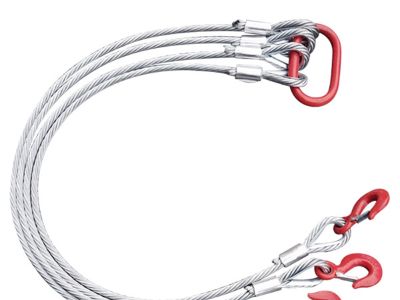
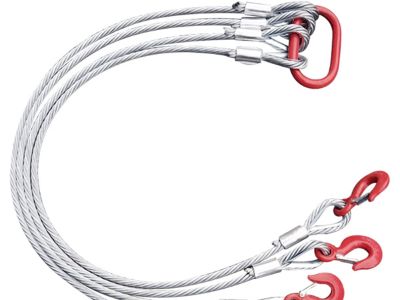
the products of the company are of wire rope sling with hook quality with complete specifications models the products are well-loved in more than 30 countries such as china iran pakistan saudi arabia the united arab emirates the united states the united kingdom australia argentina egypt

We have many years of production experience, products in line with national certification standards

our 2 leg wire rope sling have passed ce certification covering g30 g43 g70 g80 g100 and meet the standards we are committed to providing high quality products that meet international standards to meet the growing needs of our customers our products are used in engineering construction in various countries and they still maintain their strength and quality after many years of use

Our Blog Posts

How Can Snap Hooks Be Used in Safety Harness Systems?

05

Apr

How Can Snap Hooks Be Used in Safety Harness Systems?

Snap hooks are one of the most critical components of a safety harness system since they are designed to save our lives if working in high places. How LoadStar snap hook with eyelet work and how to use them to stay safe? Let’s find out more...
View More
What Are the Key Features to Look for in Wire Rope?

05

Apr

What Are the Key Features to Look for in Wire Rope?

Wire ropeis a popular strong type of rope that is combined with many metal wires. This also comes in very helpful when lifting heavy things or grasping something firmly. All wire ropes are not the same however. When selecting the correct wire ro...
View More
What Are the Benefits of Using Wire Rope Over Chain for Lifting?

07

Apr

What Are the Benefits of Using Wire Rope Over Chain for Lifting?

We also lift heavy things with Wire rope is a strong tool. Better than chain for lifting. Wire rope from LoadStar, it is great for lifting learn why.Heavy Duty: Strong and Durable for Heavy Lifting:Wire rope is very strong, one of the big reasons to ...
View More
Advantages of odm services for proprietary Snap Hook designs

13

Jan

Advantages of odm services for proprietary Snap Hook designs

When designing their own snap hooks, working with ODM services can be quite useful for businesses. Snap hooks are the small clips that attach things to other things, like bags or climbing gear. By borrowing a manufacturer’s design, businesses can cus...
View More