 EN
EN
 AR
AR
 BG
BG
 HR
HR
 CS
CS
 DA
DA
 NL
NL
 FI
FI
 FR
FR
 DE
DE
 EL
EL
 HI
HI
 IT
IT
 JA
JA
 KO
KO
 NO
NO
 PL
PL
 PT
PT
 RO
RO
 RU
RU
 ES
ES
 SV
SV
 TL
TL
 IW
IW
 ID
ID
 LT
LT
 SR
SR
 SL
SL
 SQ
SQ
 HU
HU
 TH
TH
 TR
TR
 FA
FA
 AF
AF
 MS
MS
 HY
HY
 AZ
AZ
 BN
BN
 SO
SO
 KK
KK
An adjustable chain sling is a versatile lifting device designed for heavy-duty applications, allowing users to handle various loads with precision and safety. As purchasing managers and engineers consider their options, key concerns typically include load capacity, material strength, and compliance with industry standards. This article aims to guide B2B buyers through the selection process, focusing on critical specifications, performance comparisons, and applications across different industries.
Key Specifications to Evaluate in Adjustable Chain Slings
Several key specifications should be closely examined when evaluating adjustable chain slings:
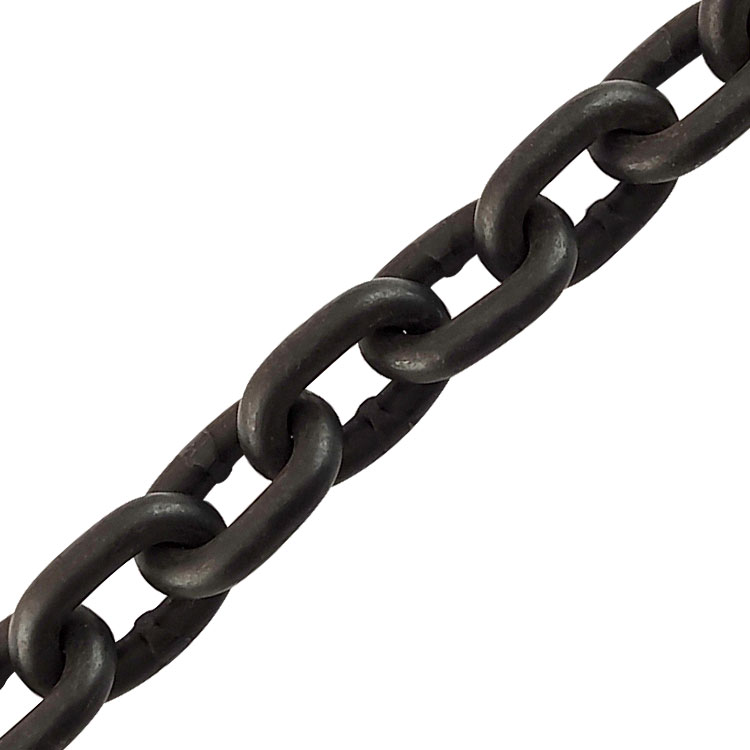
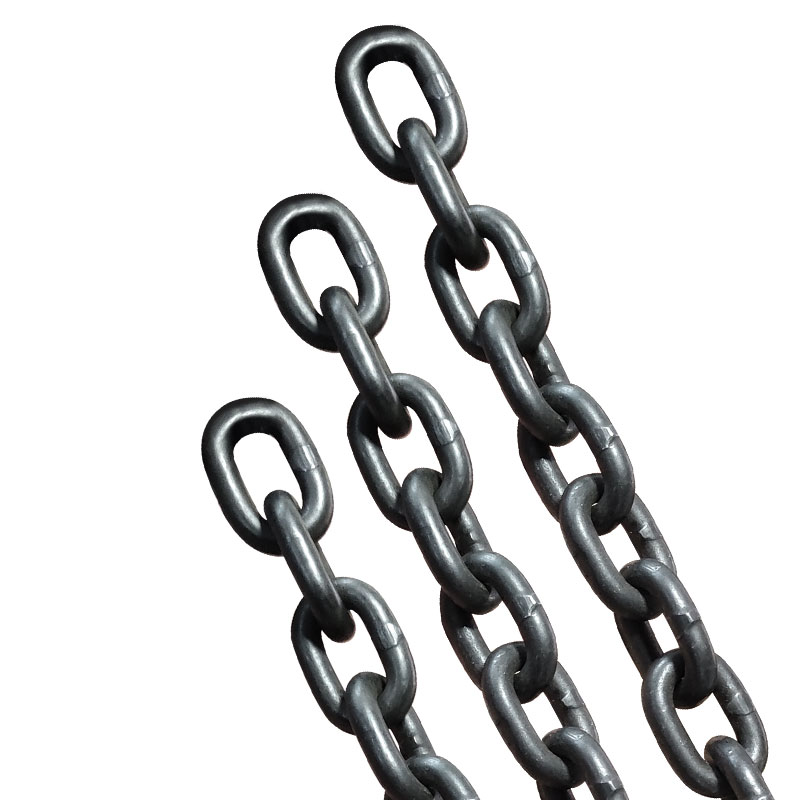
Material Type: Most adjustable chain slings are made from high-strength steel, which provides excellent durability and resistance to wear. However, the specific grade of steel (such as alloy or carbon steel) may vary, affecting load capacity and performance under stress.
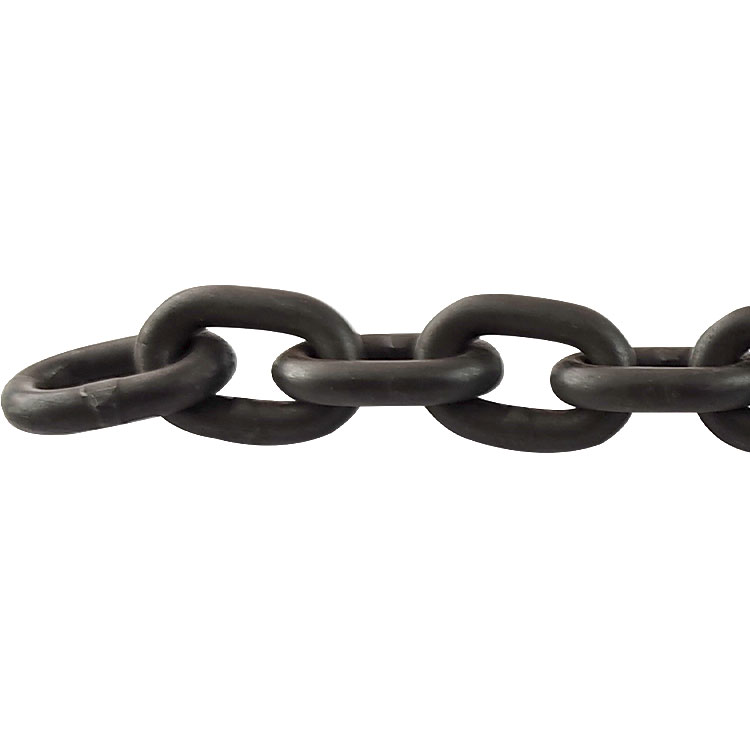
Chain Diameter: The thickness of the chain links directly influences strength. A thicker chain can typically bear more weight, but it may also add to the overall weight of the sling, which could be a factor in handling.
Length and Adjustment Range: The ability to adjust the sling length is vital for versatility. Buyers should verify that the adjustable range meets their operational requirements without compromising safety.
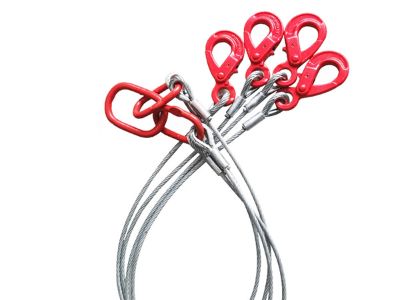
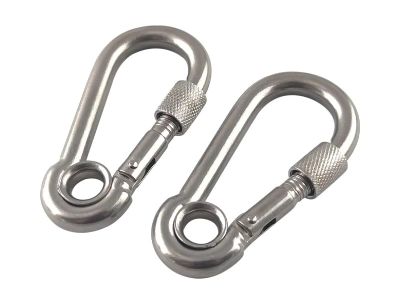
End Fittings: Depending on the application, slings may come with different end fittings, such as hooks or shackles. The compatibility of these fittings with existing lifting equipment should be confirmed to avoid operational issues. Using high-quality shackles can enhance the effectiveness of the sling.
Certification: Ensure that the sling meets industry standards, such as CE or ISO certifications. This guarantees that the product has undergone rigorous testing for safety and performance.